
How to Cold Brew Tea: Two Simple Methods for a Refreshing New Experience
Cold brewing tea is an innovative and delightful way to enjoy your favorite leaves, offering a smoother, sweeter profile compared to traditional hot brewing. By extracting flavors slowly at low temperatures, cold brew reduces bitterness and caffeine release, resulting in a clean, refreshing tea that's perfect any time of year. This method unlocks subtle aromas and nuances often masked by heat—making it a fresh approach to tea appreciation.
Among teas, cold-brewed sheng pu-erh (raw pu-erh) stands out for its bright, fruity notes and minimal astringency. It's especially recommended as a sophisticated base for cocktails, providing a complex, non-alcoholic foundation that pairs beautifully with spirits, fruits, and herbs.
There are two primary cold brewing techniques: the ice-direct extraction method (also known as ice brew or Japanese koridashi) and the refrigerator cold brew method. Each delivers unique results—let's dive in.
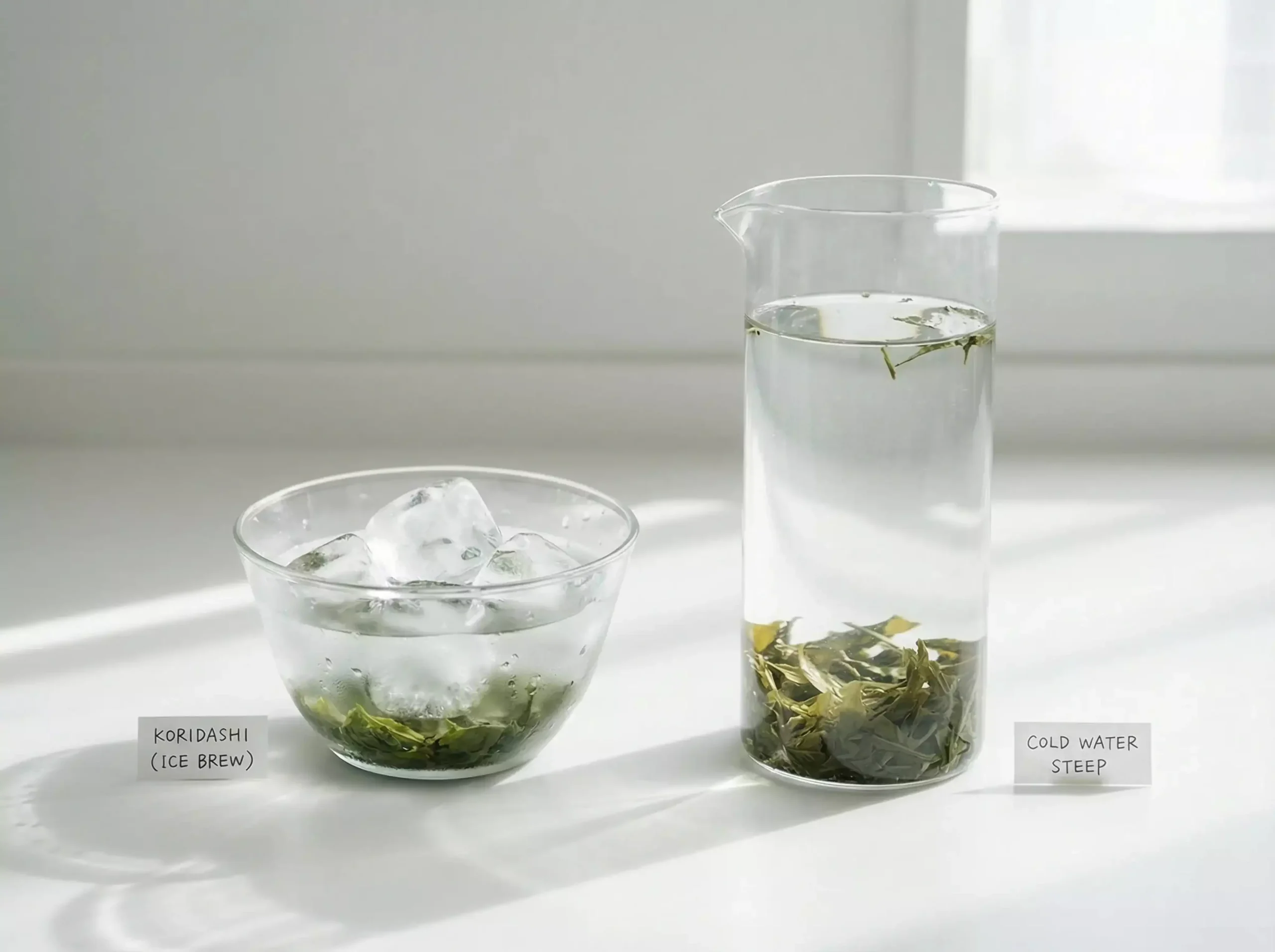
1. Ice-Direct Extraction Method (Ice Brew )
This elegant technique involves melting ice slowly over tea leaves, yielding an intensely flavorful, sweet concentrate with layered aromas. It's ideal for high-quality greens, whites, light oolongs, and young sheng pu-erh.
Tools needed: Glass cup or bowl, pure water ice cubes.
- Use 5-10g of tea leaves (tea-to-water ratio ~1:20-30).
- Spread leaves evenly in the container.
- Pile ice cubes on top (equivalent to desired final volume, e.g., 500g ice for ~500ml tea).
- Cover and let melt naturally at room temperature (2-4 hours).
- Stir gently and serve (or strain).
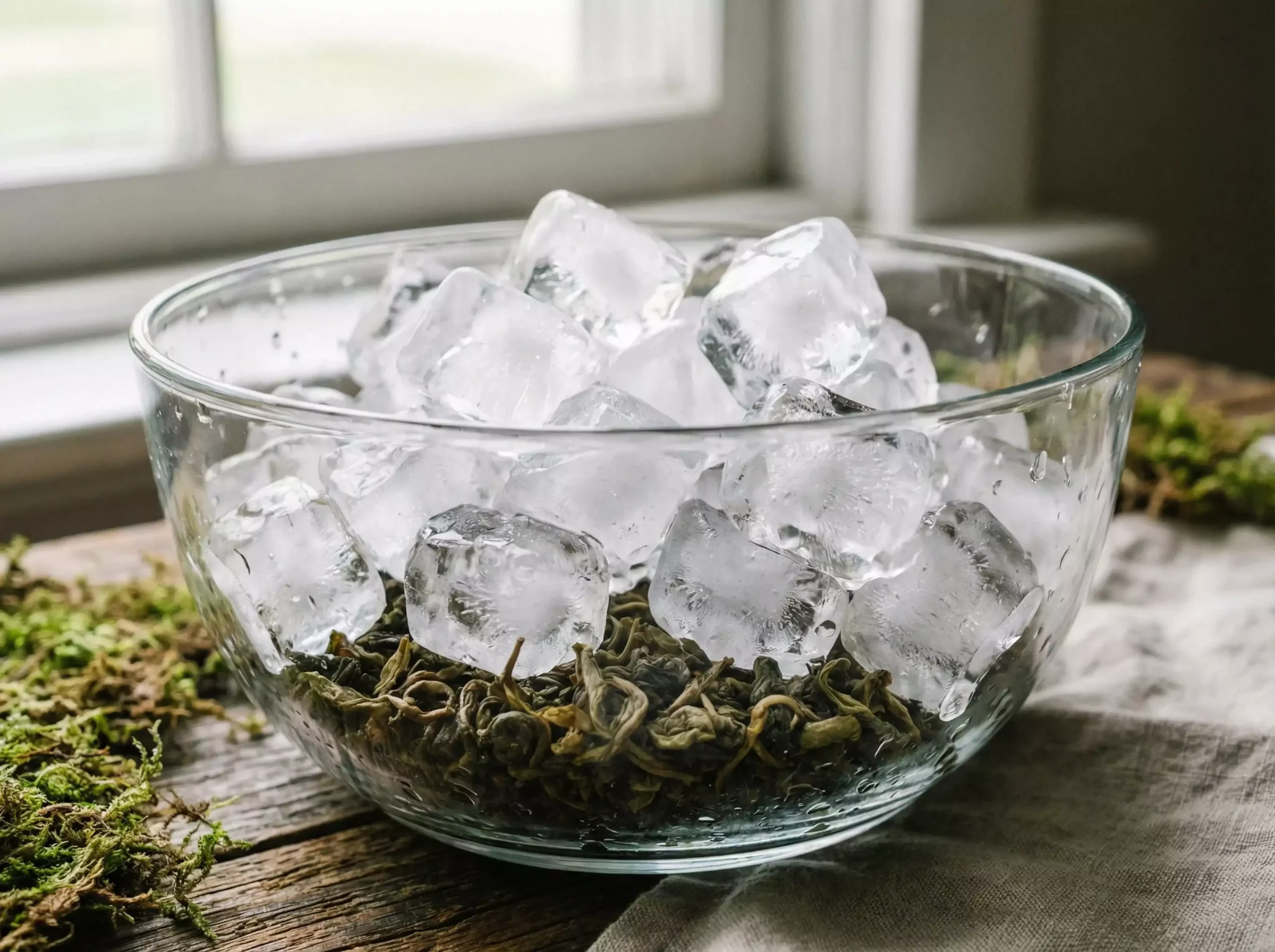
Why it shines: Exceptional sweetness and purity—perfect for savoring sheng pu-erh's vibrant fruit and floral notes.
2. Refrigerator Cold Brew Method
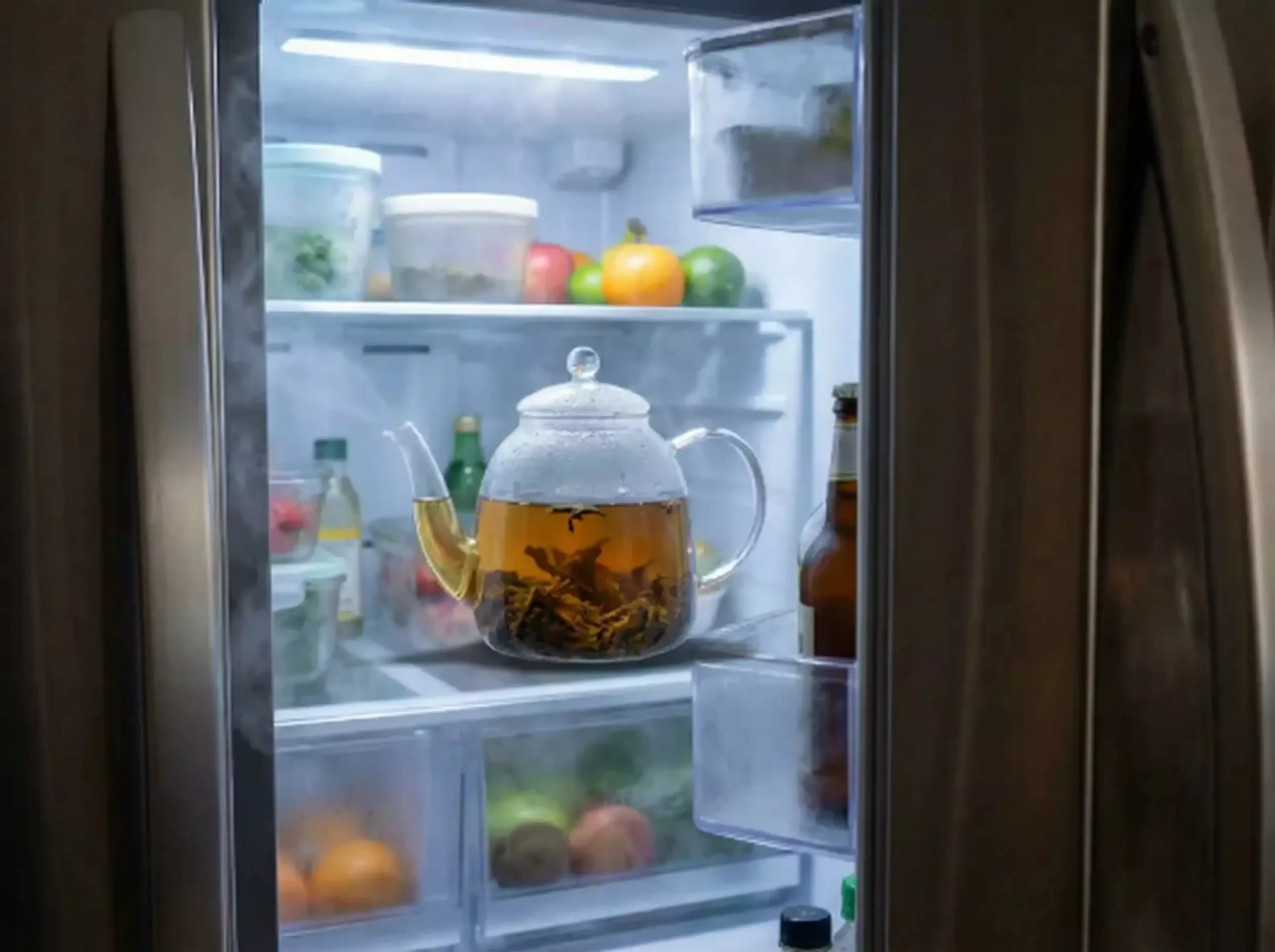
The most convenient approach for everyday use: simply steep in cold water overnight in the fridge. Great for larger batches and daily drinking.
Tools needed: Lidded glass pitcher or cold brew bottle.
- Use 8-15g tea per liter (ratio ~1:50-100, adjust to taste).
- Place leaves in container (use a filter bag for easy removal).
- Add room-temperature or cold purified water.
- Seal and refrigerate (4-8°C) for 6-12 hours (longer for black or pu-erh teas).
- Strain and enjoy chilled.
Why it shines: Smooth, low-caffeine tea that's gentle on the stomach and stores well (up to 2-3 days in the fridge).
Best Teas for Cold Brewing
- Highly recommended: Green tea, white tea, light oolong, black tea, young sheng pu-erh.
- Great for cocktails: Cold-brewed sheng pu-erh—its clean, fruity profile elevates mixed drinks beautifully. Check out creative ideas in our Pu-erh Cocktail Party guide.
- Avoid: Heavily roasted oolongs or aged dark teas (harder to extract in cold water).
Tips for Perfect Cold Brew
- Always use filtered or mineral water for best flavor.
- Add lemon slices, mint, or fruit for refreshing variations.
- Don't steep beyond 24 hours to prevent spoilage.
Frequently Asked Questions (FAQ)
What is the difference between the two cold brew methods?
The ice-direct method uses melting ice for slow, concentrated extraction (richer flavor), while the refrigerator method is faster to set up and better for larger volumes (smoother, everyday tea).
Why is cold-brewed sheng pu-erh great for cocktails?
It produces a bright, fruity, low-tannin base that mixes seamlessly with spirits and fruits without overpowering them—far superior to hot-brewed tea in mixed drinks.
How long does cold-brewed tea last?
In the refrigerator, 2-3 days. Always smell and taste before drinking if stored longer.
Can I cold brew any tea?
Most teas work well, but lighter or younger teas shine brightest. Heavier roasted teas may require longer steeping or hot brewing for full flavor.
Is cold brew tea lower in caffeine?
Yes—cold water extracts less caffeine than hot water, making it a gentler option for evening enjoyment.

