How to Taste Sheng (Raw) Pu’erh: How Age & Storage Transform Flavor
The first time most people drink Sheng Pu-erh, something feels off.
It can be bitter. Sharp. Drying. And almost immediately, a quiet doubt appears: “Is this really what people say is good?”
If you’ve had that reaction, you’re not alone—and more importantly, you didn’t do anything wrong.
Sheng (raw) Pu-erh is not a tea that rewards speed, checklists, or first impressions. It is a living tea, shaped by time and storage, and it reveals itself through change rather than instant clarity.
This guide isn’t about memorizing flavor notes. It’s about learning how to taste Sheng Pu-erh through age and storage—how bitterness transforms, how aroma deepens, and how the aftertaste and body feel tell a longer story than the first sip.
Once you understand how vintage and storage influence Sheng’s character, the tea stops feeling aggressive—and starts feeling intentional. For a broader foundation, you may also want to read our Raw vs. Ripe Pu-erh Guide.
Understanding Sheng Pu-erh by Year
Each stage of a Sheng Pu-erh’s life unveils distinct flavors, aromas, and textures. Below is a flavor map based on age, informed by traditional tasting practices and studies like those in the Journal of Food Science (2020), which highlights how fermentation influences tea compounds over time:
- 1–3 Years (Young): Vibrant and bold, with grassy, herbaceous notes and hints of apricot or green apple. Expect a brisk, sometimes bitter mouthfeel with lively astringency, perfect for experiencing “young sheng energy.”
- 4–7 Years (Mid-Aged): Bitterness softens as complexity emerges. Floral and fruity notes meld with subtle sweetness, like honey or ripe pear, offering a glimpse of the tea’s evolving depth.
- 8–15 Years (Mature): The tea reaches a harmonious maturity. Woody, camphor, or dried fruit notes dominate, with a smoother, fuller body and reduced astringency.
- 15+ Years (Fully Aged): A refined, earthy elegance emerges, often with a lingering sweet aftertaste (“hui gan”). Notes of incense, aged wood, or dried jujube create a hauntingly soft profile, prized by collectors.
Dry Storage vs. Wet Storage
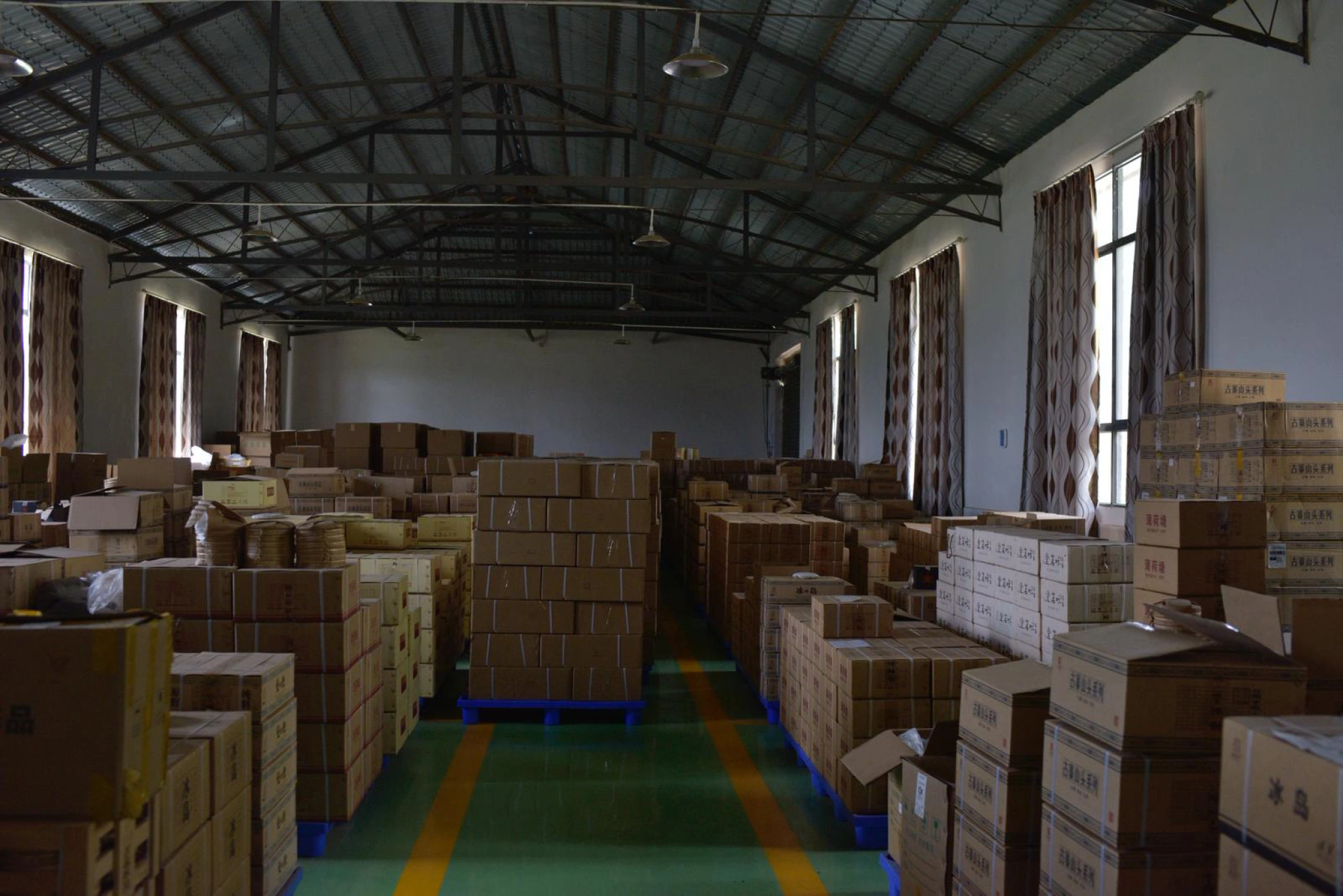
Storage conditions shape Sheng Pu-erh’s flavor as profoundly as time, as noted in resources like Tea Guardian’s Pu-erh Storage Guide. Humidity, temperature, and airflow determine the tea’s transformation.
Dry Storage
Dry storage, typical in cooler, less humid regions like Kunming or well-controlled home cellars, promotes slow, clean aging. Characteristics include:
- Preserved floral or fruity top notes, retaining the tea’s original vibrancy.
- Slower transformation, often requiring 10+ years for significant depth.
- Clear, bright liquor with crisp clarity in flavor.
- More pronounced bitterness and astringency in younger teas, fading gradually.
Dry-stored Sheng is ideal for purists who value clarity and gradual evolution, as discussed in a 2020 study in Foods on tea aging dynamics.
Wet Storage
Wet storage, common in humid regions like Hong Kong or Malaysia, accelerates fermentation, yielding darker, richer flavors. Expect:
- Earthy, leathery, or slightly musty notes, reminiscent of forest floors.
- A thicker, velvety mouthfeel, even in younger teas.
- Dark, reddish-orange liquor, often opaque.
- Pronounced aged aromas, like camphor or aged leather, developing earlier.
Wet storage suits those who enjoy bold, mature flavors but requires careful monitoring to avoid mold, as noted by tea experts at White2Tea.
Side-by-Side Tasting Practice
To truly appreciate Sheng Pu-erh’s nuances, conduct a side-by-side tasting to compare vintages or storage types. This method, inspired by traditional tea ceremonies and sensory analysis techniques from Food Research International (2019), sharpens your palate:
- Select Two Teas: Choose Sheng Pu-erhs from the same region or producer but differing in age (e.g., 3 years vs. 10 years) or storage (dry vs. wet).
- Standardize Brewing: Use identical teaware (preferably gaiwan), water temperature (95°C/203°F), steep time (10–15 seconds), and leaf ratio (5–7g per 100ml).
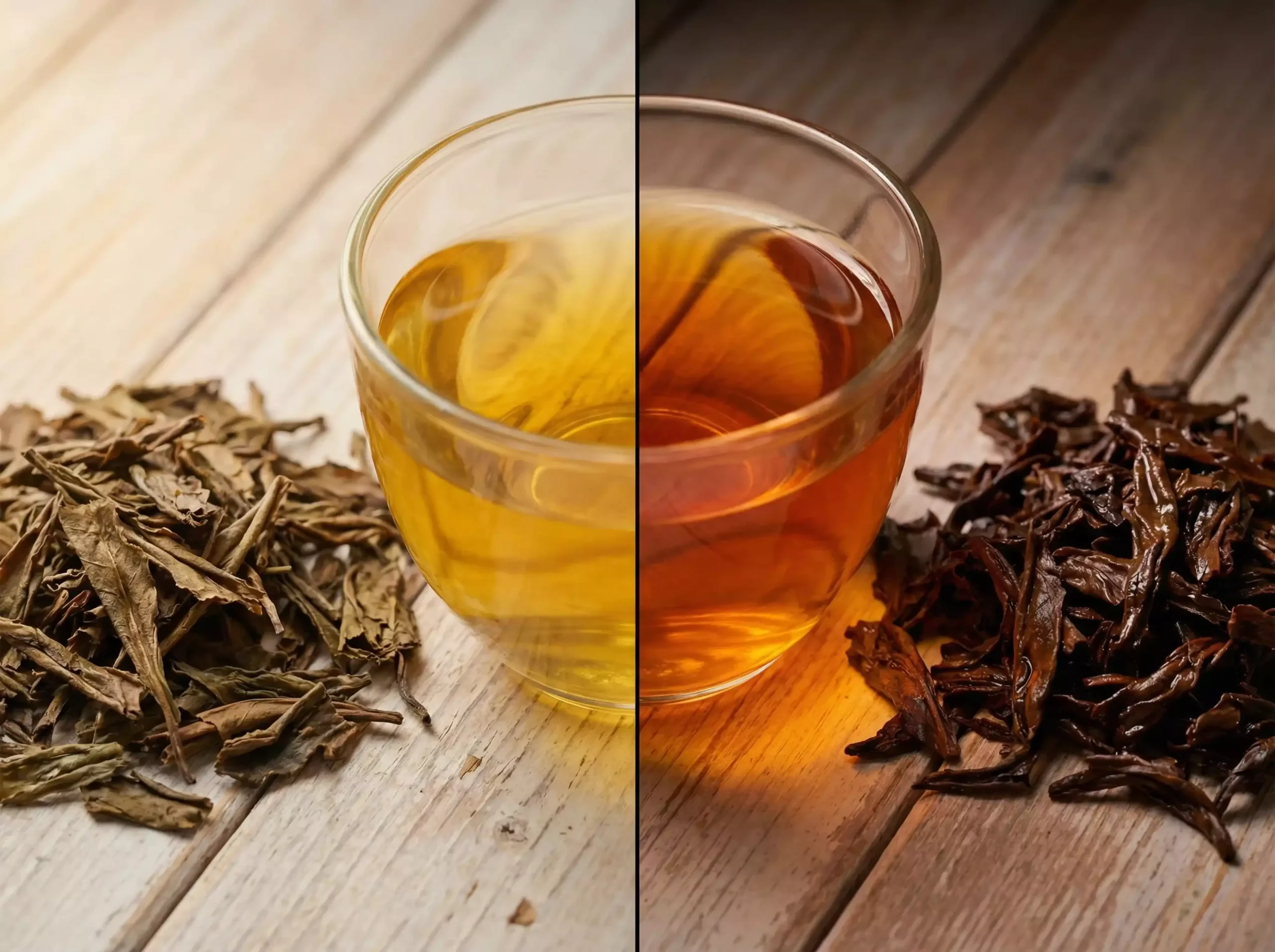
- Observe Liquor Color: Young teas show yellow-gold hues; aged or wet-stored teas lean amber or deep orange-red.
- Assess Aroma: Compare brightness (floral, fresh) versus depth (earthy, musty). Inhale deeply from the empty cup to capture lingering notes.
- Taste and Compare: Note bitterness, sweetness, or cooling sensations (a hallmark of quality Sheng). Which tea feels smoother? Which lingers longer?
- Record Observations: Jot down sensory impressions without over-relying on complex terms—your palate is your guide.
For brewing tips, see our Choosing the Right Teaware guide.
Tips for Developing Your Sheng Vocabulary
Building a sensory vocabulary enhances your tasting experience. Start simple and let your senses lead:
- Use Everyday Descriptors: Think forest floor, ripe apricot, fresh hay, aged leather, or temple incense to describe flavors and aromas.
- Track Steep Evolution: Sheng Pu-erh transforms across infusions—note how bitterness fades or sweetness emerges.
- Revisit Samples: Taste older samples over months or years to witness their transformation, a practice endorsed by tea connoisseurs at TeaDB.
- Engage All Senses: Feel the tea’s texture (silky, grippy) and notice aftertastes like “hui gan” (sweet return) or cooling sensations.
Final Thought
Tasting Sheng Pu-erh is like reading a book written by earth, time, and care. Each sip reveals layers of history—vibrant youth, maturing depth, or aged elegance. By comparing vintages and storage types, you’ll uncover the stories woven into every leaf. Brew mindfully, taste intentionally, and let Sheng Pu-erh guide you through its timeless journey.
❓ Frequently Asked Questions
How does the age of Sheng Pu-erh affect its flavor?
Sheng Pu-erh evolves dramatically over time:
- Young (1–3 years): Fresh, grassy, with brisk astringency and notes of apricot or green apple.
- Mid-aged (4–7 years): Bitterness softens; floral and fruity notes emerge with honey-like sweetness.
- Mature (8–15 years): Woody, camphor, or dried fruit flavors dominate, with a smoother body.
- Fully aged (15+ years): Refined earthy elegance, with lingering hui gan (sweet aftertaste) and notes of incense or aged wood.
These changes vary by terroir, tree age, and storage conditions.
What’s the difference between dry and wet storage for Sheng Pu-erh?
Dry storage (e.g., Kunming-style, lower humidity) ages slowly and cleanly, preserving bright floral/fruity notes and clarity. Wet storage (e.g., Hong Kong/Malaysia-style, higher humidity) accelerates aging, producing deeper earthy, camphor, or musty flavors with thicker mouthfeel—but risks mold if uncontrolled.
Many prefer a balanced "natural" storage for complexity without extremes.
Which storage is better: dry or wet?
It’s subjective! Dry storage offers clean, gradual evolution and brighter flavors (favored by purists). Wet storage delivers bolder, mature notes faster. Most modern collectors aim for controlled moderate humidity (60–70% RH) to avoid risks while allowing pleasant aging.
What common tasting terms should I know for Sheng Pu-erh?
Key descriptors include:
- Hui Gan (回甘): Sweet aftertaste that "returns" after bitterness.
- Cha Qi: The energizing "tea energy" felt in the body.
- Thickness/Body: How full and coating the liquor feels.
- Camphor (Zhang Xiang): Cooling, woody aroma common in aged teas.
- Astringency: Puckering sensation, strong in young Sheng but softens with age.
How can beginners start tasting Sheng Pu-erh?
Begin with side-by-side comparisons of different ages or storages using gongfu brewing. Focus on aroma, liquor color, mouthfeel, and aftertaste. Start simple—note what you like (floral? woody?)—and revisit the same tea over multiple infusions to see evolution.
🌿 Further Reading
Deepen your tea journey with these resources:
How to Taste Sheng (Raw) Pu-erh Tea | A Beginner’s Guide to Puerh Tasting
Learn how to taste Sheng Pu-erh like a pro! This video covers notes by year, storage effects, and techniques for beginners. Part of our Tea Science Series: Unraveling Tea Mysteries from Beginner to Expert, it’s your guide to understanding Pu-erh flavor evolution.