
Why Office Tea Loses Aroma Faster Than Gongfu Tea
If you regularly drink tea at work, you may notice something frustrating:
The tea still tastes sweet, but the aroma is gone.
This happens even with good tea—Dian Hong, Shai Hong, Sheng Pu-erh, or Shou Pu-erh. Compared to gongfu brewing, office mug tea seems to lose fragrance quickly.
This is not because the tea is low quality. It is because the brewing environment is fundamentally different.
Aroma Is the Most Fragile Part of Tea
Tea aroma is made up of volatile compounds—floral, fruity, honeyed, woody molecules that evaporate easily when exposed to heat and air.
Sweetness, body, and bitterness dissolve into water and remain stable much longer. Aroma, however, is constantly escaping.
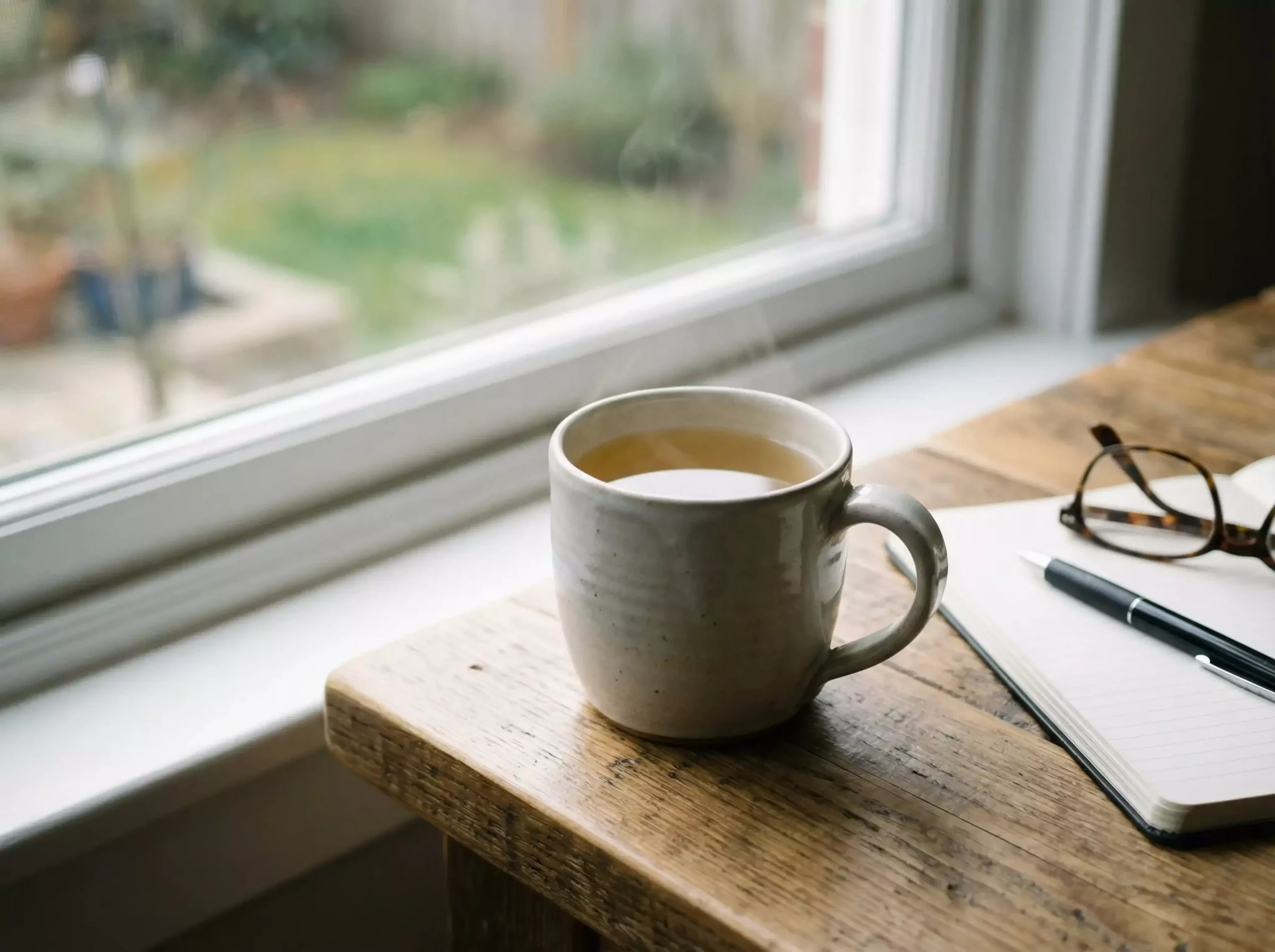
Open Mugs Let Aroma Escape Continuously
In office tea brewing, mugs are usually open, wide, and uncovered. This creates a continuous pathway for aroma to rise and disappear.
Gongfu vessels—gaiwans, teapots—temporarily trap aroma under a lid, releasing it only when poured or lifted.
A mug offers no pause. Aroma is lost from the moment hot water touches the leaves.
Long Contact Time Accelerates Aroma Loss
Gongfu brewing separates leaves and liquor quickly. Office mug brewing keeps them together.
Constant contact means:
- Faster extraction of volatile compounds
- Higher evaporation over time
- No reset between infusions
Aroma is extracted early—and then gone.
Heat Retention Works Against Aroma
Office mugs are designed to keep drinks hot. Heat retention keeps volatile compounds active longer, increasing evaporation.
In gongfu brewing, small vessels cool quickly between pours. This cycling protects aromatic compounds.
Why Sweetness Remains After Aroma Fades
Sugars and soluble solids dissolve slowly and persist. Even after aroma compounds vanish, sweetness lingers in the leaves and liquor.
This explains why office tea often tastes "sweet but empty" after several refills.
This stage usually appears after the third refill in mug brewing. For a detailed breakdown, see How Many Times Can You Refill Tea in a Mug?
Which Teas Handle Aroma Loss Better
- Dian Hong: cocoa and malt sweetness carry the experience
- Shai Hong: honeyed body outlasts fruit aroma
- Shou Pu-erh: structure remains stable with minimal fragrance
- Sheng Pu-erh: aroma-driven, fades fastest in mugs
Office Tea Is Not Inferior—It Has a Different Goal
Gongfu tea celebrates aroma, transformation, and attention. Office tea prioritizes continuity, warmth, and ease.
Aroma loss is not failure—it is the trade-off for convenience.
Designing Office Tea Around Reality
When brewing at work, the goal is not to preserve every aromatic note. It is to enjoy clean flavor through distraction.
Using a measured portion—such as 2 grams of tea per mug—creates a predictable aroma arc instead of chaotic extraction.
For a complete system built around real office conditions, read the full Office Tea Brewing Guide.
Aroma & Brewing FAQ
Does covering my mug with a lid preserve the aroma?
Yes, but it is a double-edged sword. A lid traps volatile aroma molecules, but it also traps heat. For Green tea or young Sheng Pu-erh, keeping the lid on too long can "stew" the leaves, destroying the fresh profile. We recommend covering the mug only during the initial 2-minute steep, then removing it to drink.
Does lower water temperature help keep the fragrance longer?
Technically, yes. Higher temperatures accelerate the evaporation of aromatic oils. If you find your tea loses its scent too fast, try dropping your water temperature by 5-10°C. You will lose some "impact," but the fragrance will linger across more refills.
Why does Sheng Pu-erh lose its scent faster than Shou Pu-erh?
Sheng (Raw) Pu-erh relies heavily on high-note floral and fruity aromatics which are extremely volatile. Shou (Ripe) Pu-erh has a heavier, earthier molecular structure formed during fermentation; these "low-note" aromas are less prone to evaporation, making Shou more stable for long-term mug brewing.
Can I "bring back" the aroma once it’s gone?
Once volatile compounds evaporate, they cannot be replaced. However, you can "reset" the cup by adding a very small amount of fresh leaves (about 1g) to the existing mug. This provides a fresh aromatic top-note while utilizing the sweetness of the base leaves.
Is aroma loss a sign of low-quality tea?
Not necessarily. In a mug, even premium tea loses aroma faster than in a Gaiwan. However, high-quality tea will still leave a lasting sweetness (Hui Gan) and "throat feel" long after the fragrance has faded, whereas low-quality tea will simply taste like plain water.

