What Is Tea Tasting?
Tea is simple—just leaves and water. Yet, tea tasting transforms this simplicity into a profound sensory journey. In Chinese culture, tasting tea is a mindful act, distinct from casual sipping, inviting you to connect with the leaf’s essence. Whether savoring a green tea’s springtime whisper or a pu-erh’s earthy depth, this guide unveils the art of tea tasting, engaging all five senses to explore flavor, aroma, and origin. Begin your journey with our Tea Tasting Series.
🫖 What Is Tea Tasting?
Tea tasting is the art of immersing yourself in a tea’s sensory profile—its appearance, aroma, flavor, texture, and lingering resonance. It’s a dialogue with the leaf, revealing its terroir, craftsmanship, and story. From professional evaluations in tea competitions to personal moments of quiet reflection, tasting invites you to observe the dry leaves, the liquor’s hue, and the wet leaves after brewing, as detailed in a 2020 tea sensory study.
🍵 How It Differs from Everyday Tea Drinking
Casual tea drinking is about comfort—a soothing ritual or daily habit. Tea tasting, however, is deliberate, like a poet deciphering a verse. It demands focus to uncover subtle layers of flavor, fragrance, and texture, connecting you to the tea’s origins. Unlike the quick sip of a morning brew, tasting is a mindful exploration.
👁️👃👅🤲🫀 The Five Senses: A Full-Body Experience
Tea tasting engages all five senses, creating a holistic connection with the tea. Here’s how each sense reveals its story:
Sight | 色
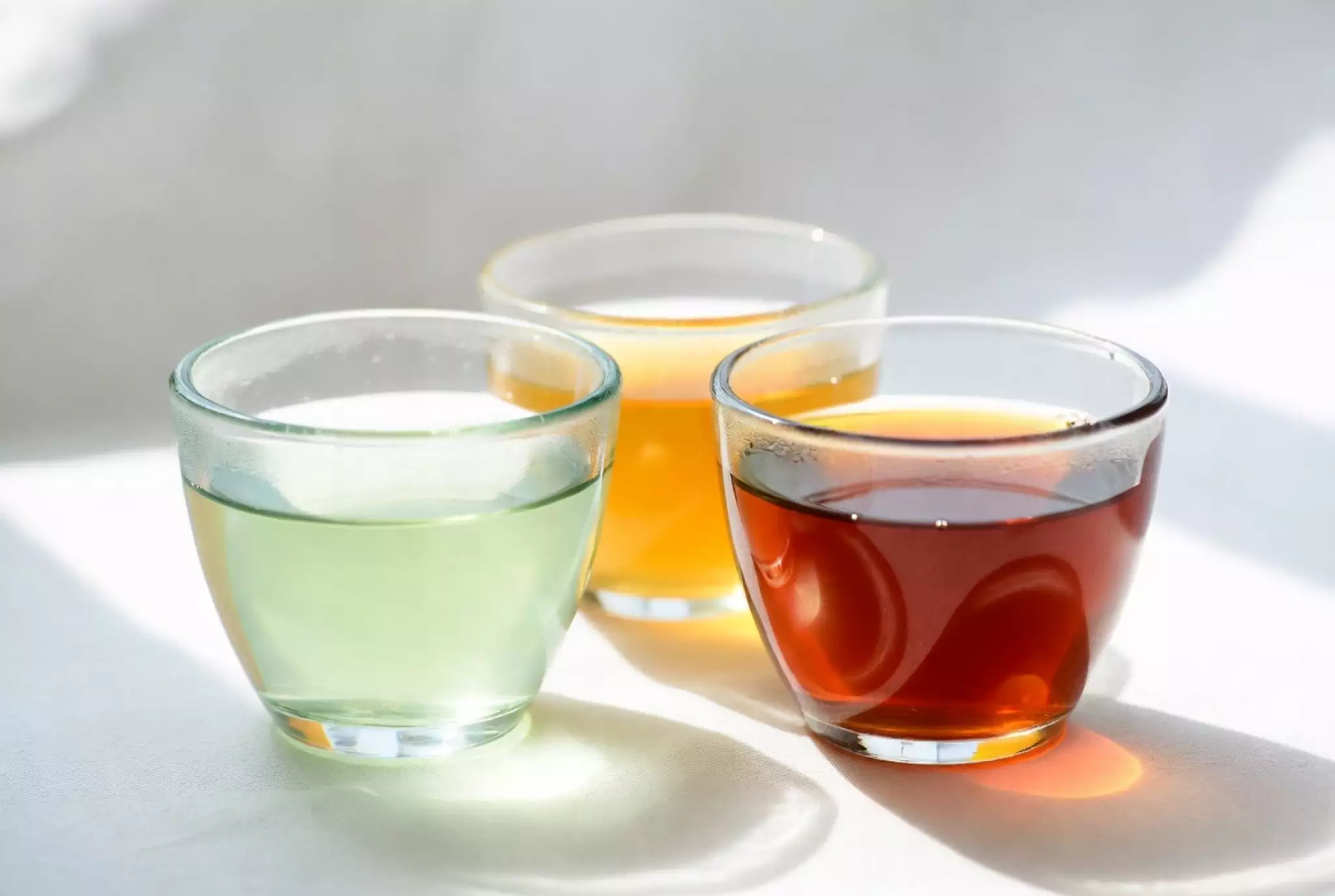
The visual journey begins with observing the dry leaves: Are they tightly rolled, like oolong’s pearl-like pellets, or broad and flat, like a white tea’s delicate buds? Examine their color—vibrant green for a fresh Sencha or dark, glossy brown for an aged pu-erh. Once brewed, the liquor’s hue tells its own tale: a golden Dian Hong, a jade-like Longjing, or a deep amber Shu Pu-erh. Clarity matters too—cloudiness may suggest over-steeping or lower quality, while a bright, translucent liquor, best viewed in white porcelain, signals finesse. This visual overture sets expectations for the sensory experience to come.
Smell | 香
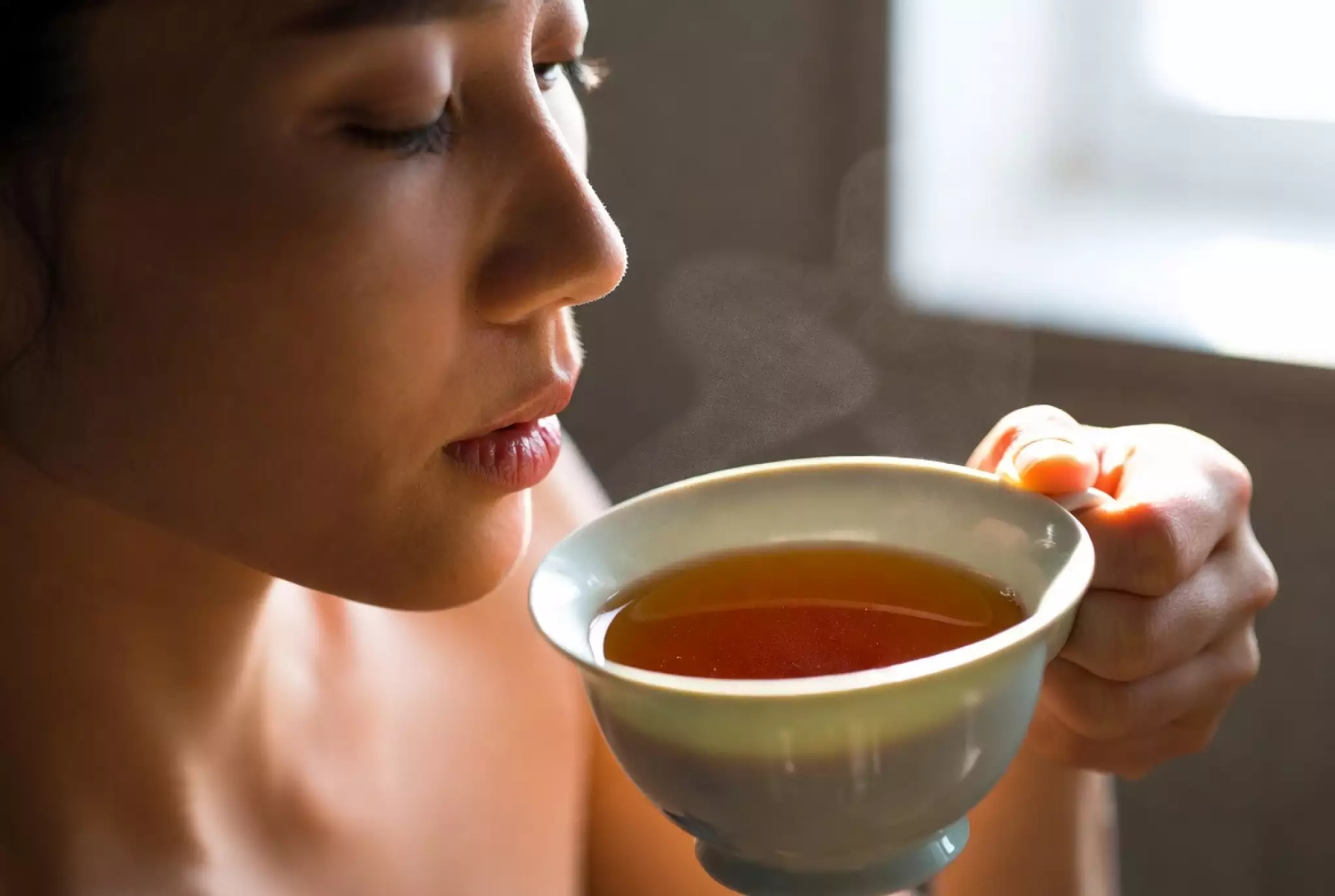
Aroma is the tea’s soul, a bridge to its origin and craft. Start by inhaling the dry leaves: a Tieguanyin may whisper floral orchid notes, while a Keemun offers a honeyed sweetness. After brewing, the wet leaves release deeper layers—grassy freshness in green teas, roasted chestnut in oolongs, or earthy forest floor in aged pu-erhs. The scent’s purity and persistence, as noted in a 2020 aroma study, reveal the tea’s quality. Warm the cup in your hands and breathe deeply to capture fleeting nuances, like the creamy undertones of a high-mountain oolong.
Taste | 味
Sip slowly, letting the tea dance across your palate. Explore its flavor spectrum: the brisk bitterness of a young Sheng Pu-erh, the honeyed sweetness of a Dian Hong, the vegetal umami of a Gyokuro, or the subtle astringency of a Darjeeling. Does it offer hui gan (回甘), a returning sweetness that blooms after the sip? Notice if it sparks salivation, a sign of a tea’s vitality. Each tea tells a unique story—green teas may evoke fresh-cut grass, while a roasted oolong might hint at caramelized stone fruit. Compare sips over multiple infusions to uncover evolving flavors.
Touch | 感
Mouthfeel is the tactile poetry of tea. As it glides across your tongue, is it thick and velvety, like a well-aged Shu Pu-erh, or light and crisp, like a Baozhong? Does it coat the mouth with a creamy richness or leave a puckering astringency? The texture—smooth, silky, or slightly grippy—shapes the tea’s character. For example, a Darjeeling’s delicate, muscatel-tinged mouthfeel contrasts with the robust, syrupy body of an Assam. Pay attention to how it feels in the throat: a cooling sensation or a warm, enveloping glow can elevate the experience.
Afterfeel | 韵
The aftertaste, or yun, is the tea’s lingering spirit, a memory that unfolds long after the sip. A great tea leaves a resonant imprint: aromatic breath that carries floral or fruity echoes, a cooling sensation in the throat, or a gentle warmth spreading through the chest. Sheng Pu-erh from Yiwu might offer a vibrant, minty yun, while a Dian Hong could linger with a malty, comforting glow. This afterfeel, often accompanied by a sense of calm or energy, ties the sensory experience together, inviting reflection on the tea’s journey from leaf to cup.
🍃 Tea Tasting as Mindful Practice
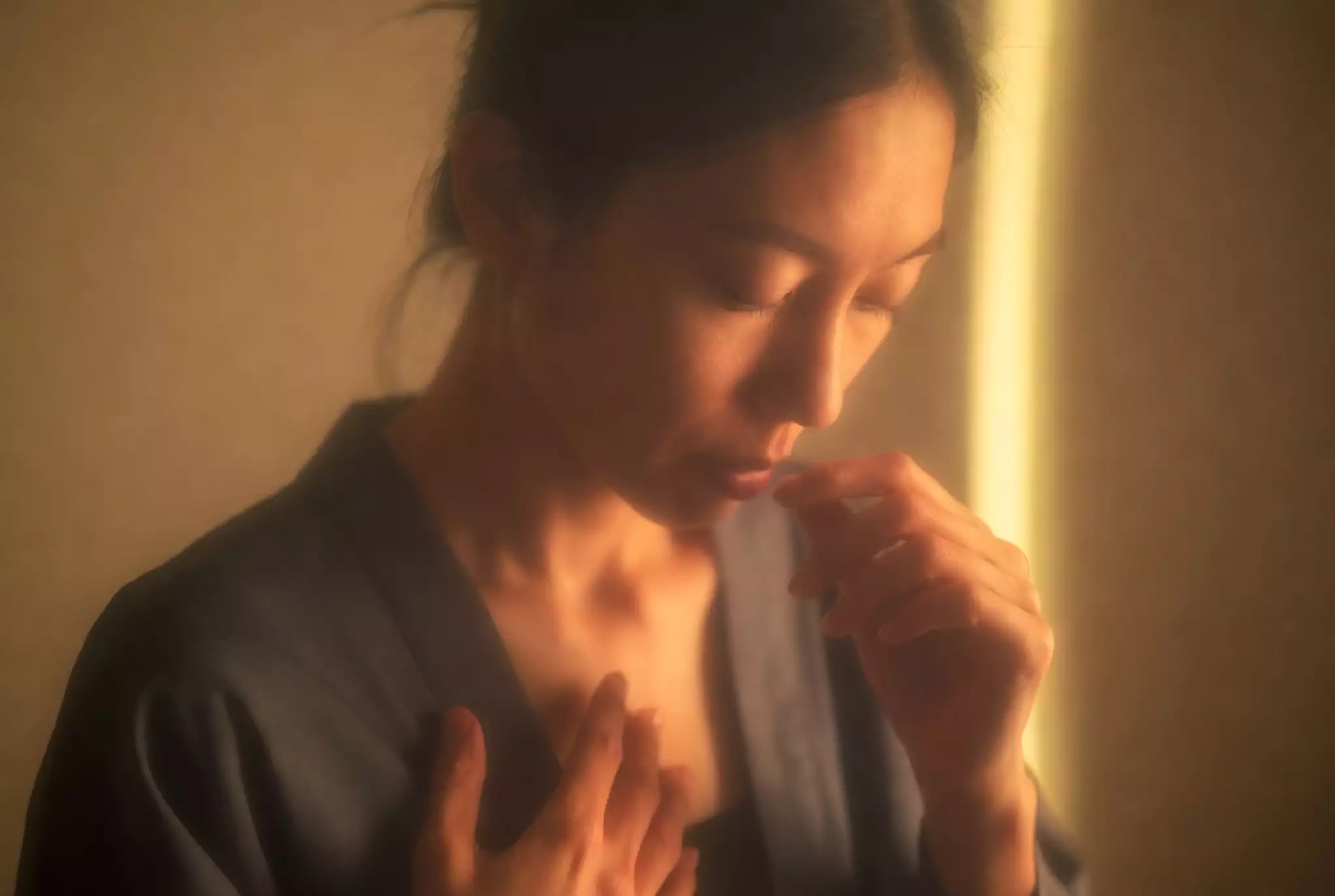
Tea tasting transcends judgment—it’s a mindful dialogue with nature. Each sip traces the leaf’s journey: spring rains, artisan hands, and ancient cellars. It honors the stewardship of tea farmers and ethnic communities, like those in Menghai. This practice deepens your connection to tea’s origins, making every cup a moment of presence.
❓ Frequently Asked Questions
What tools do I need to start tea tasting?
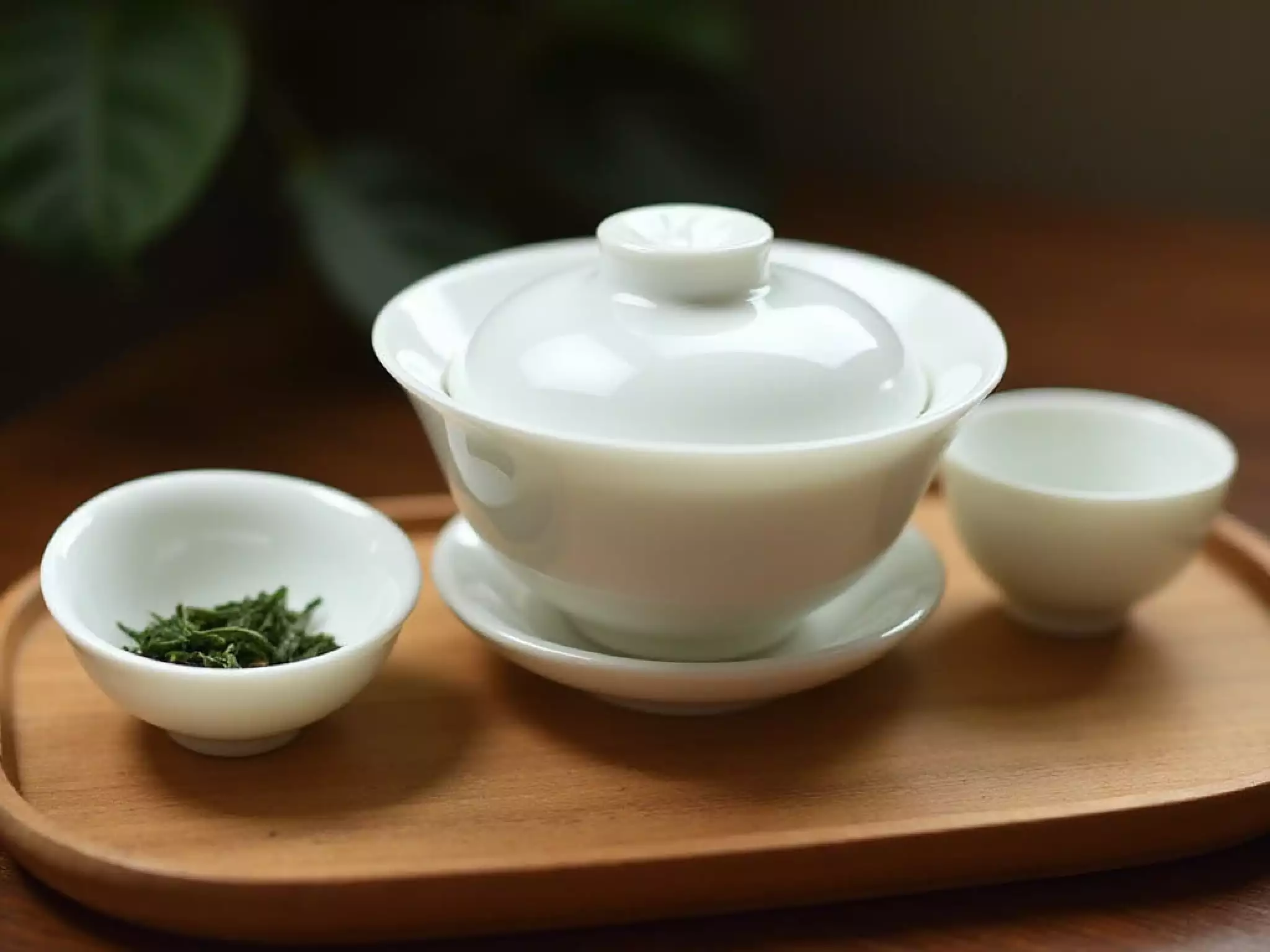
A white porcelain cup or gaiwan, a small tasting spoon, and a notebook for notes are ideal...
How can beginners improve their tea-tasting skills?
Start with single-origin teas like Dian Hong from Menghai or Shu Pu-erh from Yiwu...
Can I taste tea without professional training?
Absolutely! Tea tasting is intuitive...
How does teaware affect the tasting experience?
White porcelain reveals the amber liquor...
What’s the best tea for beginners to taste?
Try Dian Hong from Menghai...
How can I experience the ‘Afterfeel’ or yun?
Focus on the lingering sensations after sipping teas like Sheng Pu-erh...