
Caffeine Ranking: Which Teas Wake You Up the Most?
By Adrian · Updated for 2026 · Steeped Roots
As morning steam rises from your cup, a question lingers: Which tea sparks the sharpest wake-up call? While many sources crown Matcha as the caffeine king, experienced tea drinkers know a hidden truth: high-altitude Ancient Tree (Gushu) Sheng Pu-erh can contain caffeine levels exceeding 100mg per session, rivaling a strong espresso.
This 2026 ranking dives beyond the basics, comparing the intense focus of Gushu Pu-erh with the vibrant jolt of Matcha and the refined energy of Dian Hong. Based on chemical analysis and brewing data, discover why certain teas offer more than just a buzz—they provide "Tea Drunk" clarity without the coffee crash.
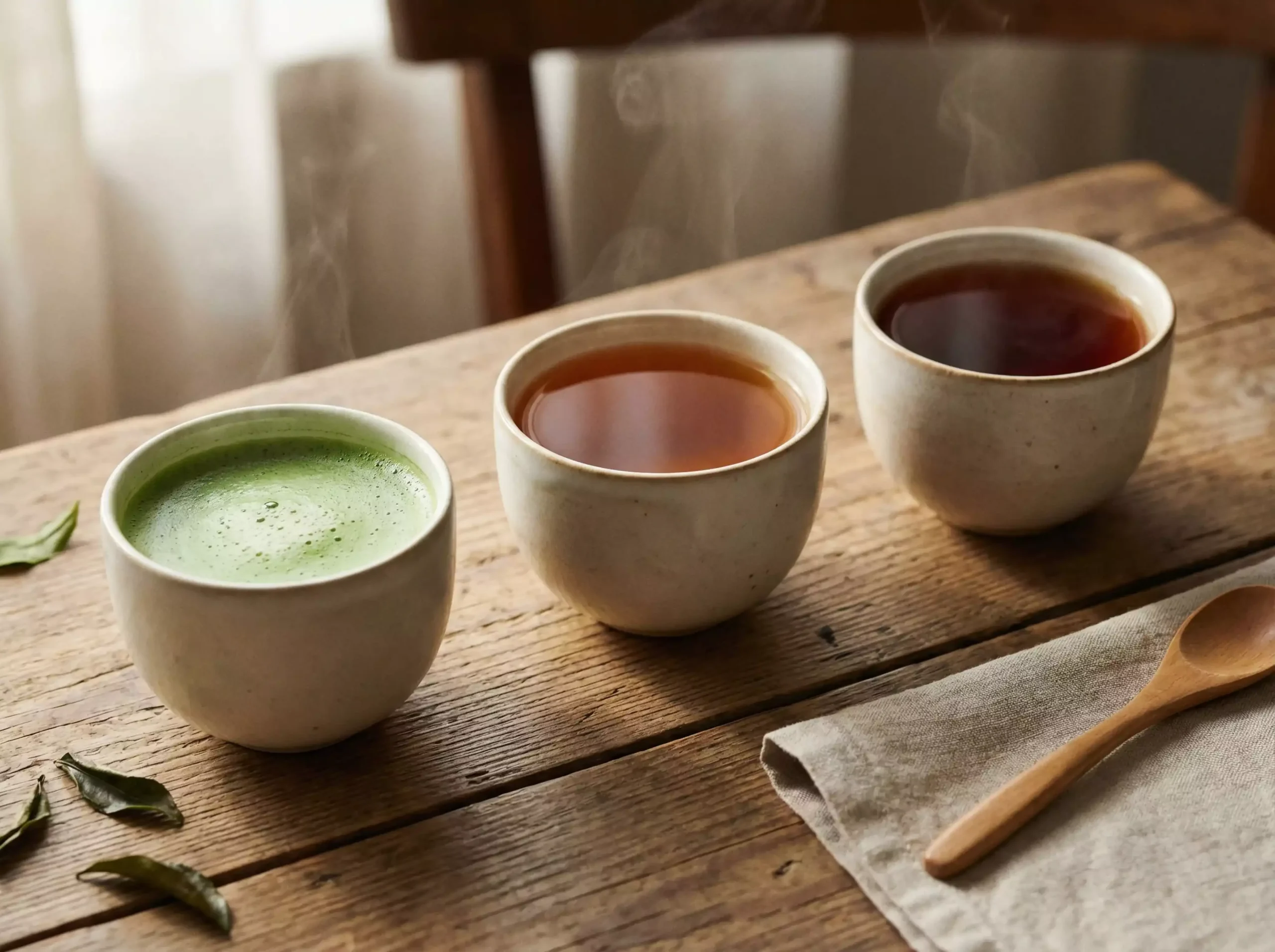
Understanding Tea Caffeine & L-Theanine
Caffeine in tea is the same molecule as in coffee, but it pairs with L-theanine—an amino acid unique to tea—for calmer, sustained alertness.
Caffeine levels vary widely due to tree age, cultivar, and processing. Typical ranges per 8 oz cup: 15–100+ mg. While most sources cite matcha as the strongest, ancient tree (Gushu) large-leaf varietals often contain the highest natural concentrations to deter forest pests.
2026 Top Teas by Caffeine Content (Per 8 oz Cup)
1. Gushu Sheng (Raw) Pu-erh 70–100+ mg
The true "hidden king" of caffeine. Ancient tea trees (Gushu) from Yunnan’s high-altitude forests produce leaves rich in alkaloids. A strong Gongfu session with young Sheng can deliver a potent, espresso-rivaling kick that tea lovers call "Tea Drunk."
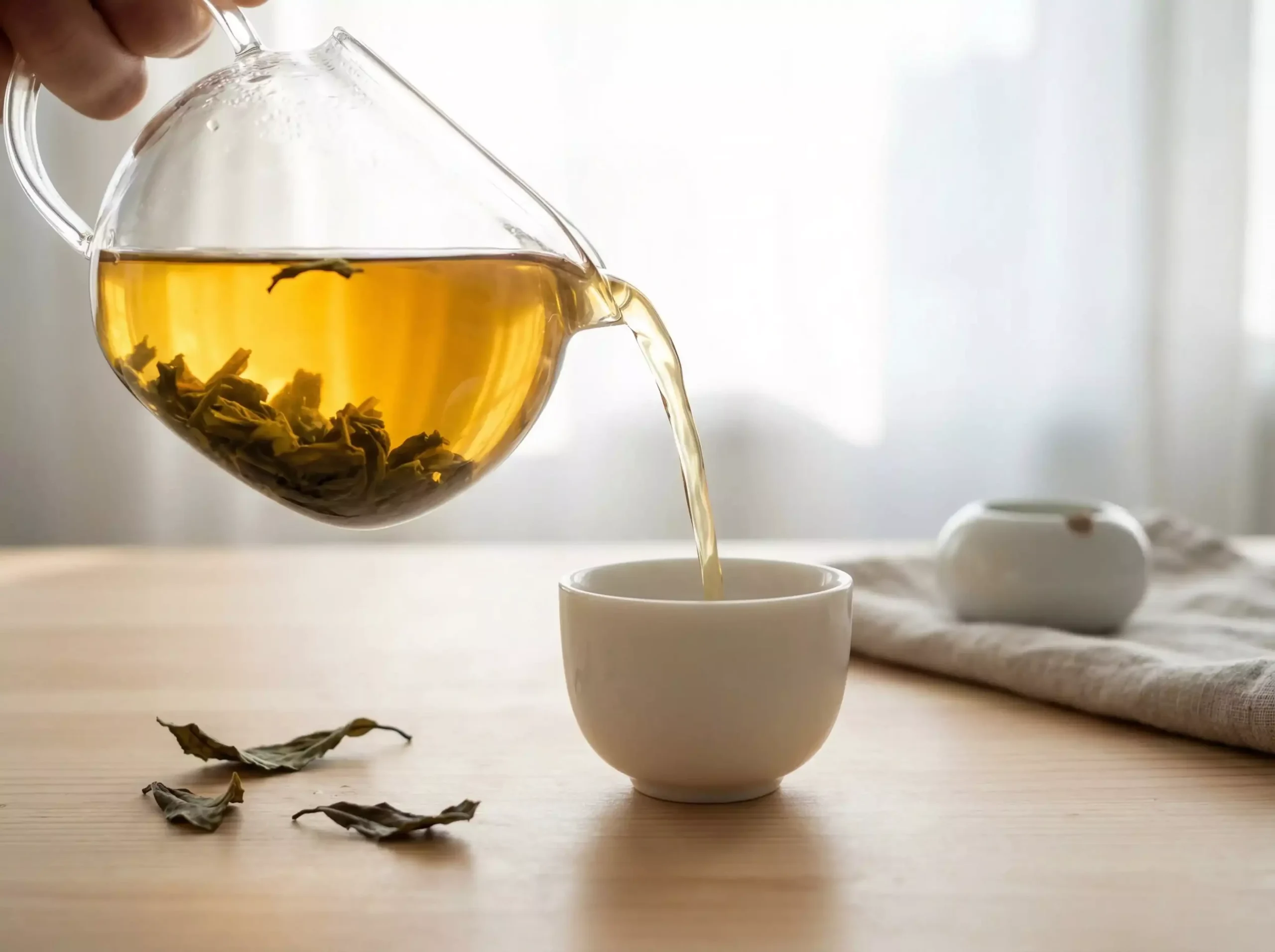
2. Matcha 60–80 mg
By consuming the entire powdered leaf, you absorb 100% of its caffeine. While it offers the highest average intake for most drinkers, it lacks the raw biological potency found in wild ancient trees.
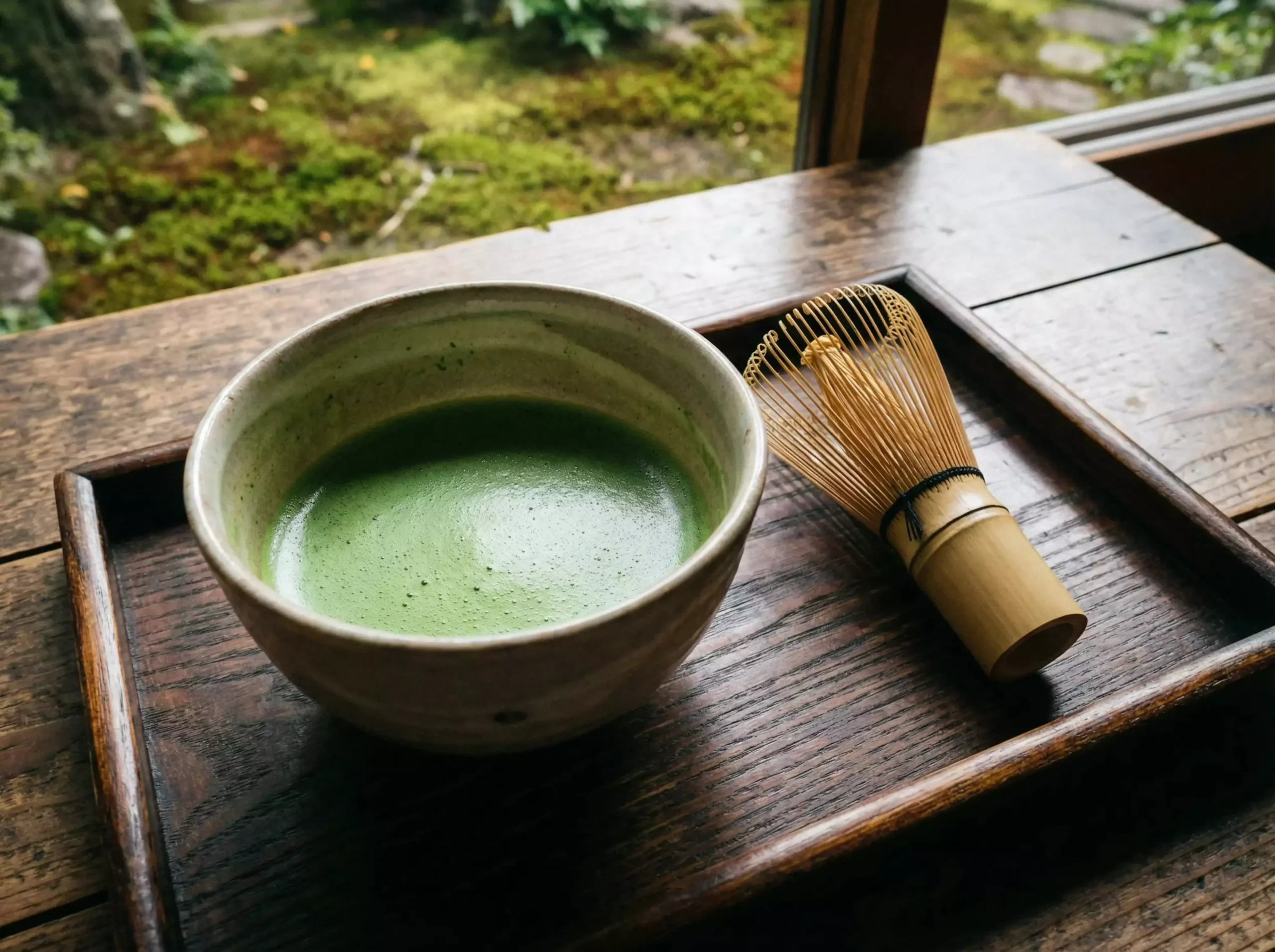
3. Gyokuro 40–60 mg
Shade-growing stresses the tea plant, forcing it to boost caffeine and theanine. It's the strongest of the unpowdered Japanese greens.
4. Dian Hong (Yunnan Black) 30–50 mg
Made from the same large-leaf varietal as Pu-erh, Dian Hong's golden buds provide a robust but smooth morning boost.
4. Dian Hong (Yunnan Black) 20–40 mg
Malty, honey-sweet Yunnan black tea with balanced caffeine and heart-health benefits from theaflavins.
5. Shu (Ripe) Pu-erh 20–30 mg
Fermented for smoothness, ripe pu-erh offers gentle warmth and low caffeine—great for digestion and evening sipping.
6. White Tea 15–30 mg
Minimally processed buds deliver soft, subtle alertness—perfect for creative flow.
What Changes the "Buzz"?
- Tree Age: Ancient trees (Gushu) naturally produce more caffeine than plantation bushes (Taidi) as a defense mechanism.
- Leaf Varietal: Yunnan’s Daye (large-leaf) varietals are biologically predisposed to higher alkaloid content.
- Temperature: Boiling water (required for Pu-erh) extracts caffeine much faster than the cool water used for Green tea.
Tea vs. Coffee: Why Tea Feels Smoother
Coffee averages 95–200 mg per cup with rapid absorption, often causing spikes and crashes. Tea’s L-theanine slows release and enhances calm focus—supported by clinical studies.
Result: Longer-lasting energy (4–6 hours) with less anxiety or afternoon slump.
Factors That Influence Caffeine Extraction
- Hotter water & longer steeps: Extract more caffeine (but risk bitterness in greens).
- Leaf grade: Tips/buds have more than mature leaves.
- Shading: Boosts caffeine/theanine in matcha & gyokuro.
- Multiple infusions: First steep gets ~70% of caffeine; refills add less.
Smart Sipping Tips for Optimal Energy
- Morning Power: Matcha or gyokuro for focused start.
- Midday Boost: Sheng pu-erh or Dian Hong.
- Afternoon/Evening: Shu pu-erh or white tea.
- Maximize Calm Energy: Use quality leaves; avoid over-brewing.
- Safe Limit: Up to 400 mg daily—about 5–6 cups of strong tea.
Experiment with timing: High-caffeine teas early, lower ones later for steady energy all day.
Frequently Asked Questions
Is tea caffeine different (or safer) than coffee caffeine?
No chemical difference, but L-theanine creates smoother, longer-lasting alertness with fewer jitters.
How to maximize or minimize caffeine in my brew?
Max: Hot water, longer steep, finer leaves. Min: Cooler water, short steep, larger leaves.
Can high-caffeine teas like matcha be drunk at night?
Best avoided after midday if sensitive—opt for shu pu-erh instead.
Does aging pu-erh reduce caffeine?
Caffeine is very stable. While the feeling of Sheng Pu-erh becomes smoother over 20 years, the actual caffeine molecules only decrease slightly. However, the fermentation process in Shu (Ripe) Pu-erh significantly lowers it.
Caffeine Ranking: Video Breakdown
Deep dive into the science—part of our Tea Science Series. Subscribe on YouTube
🍃 Back to Top
