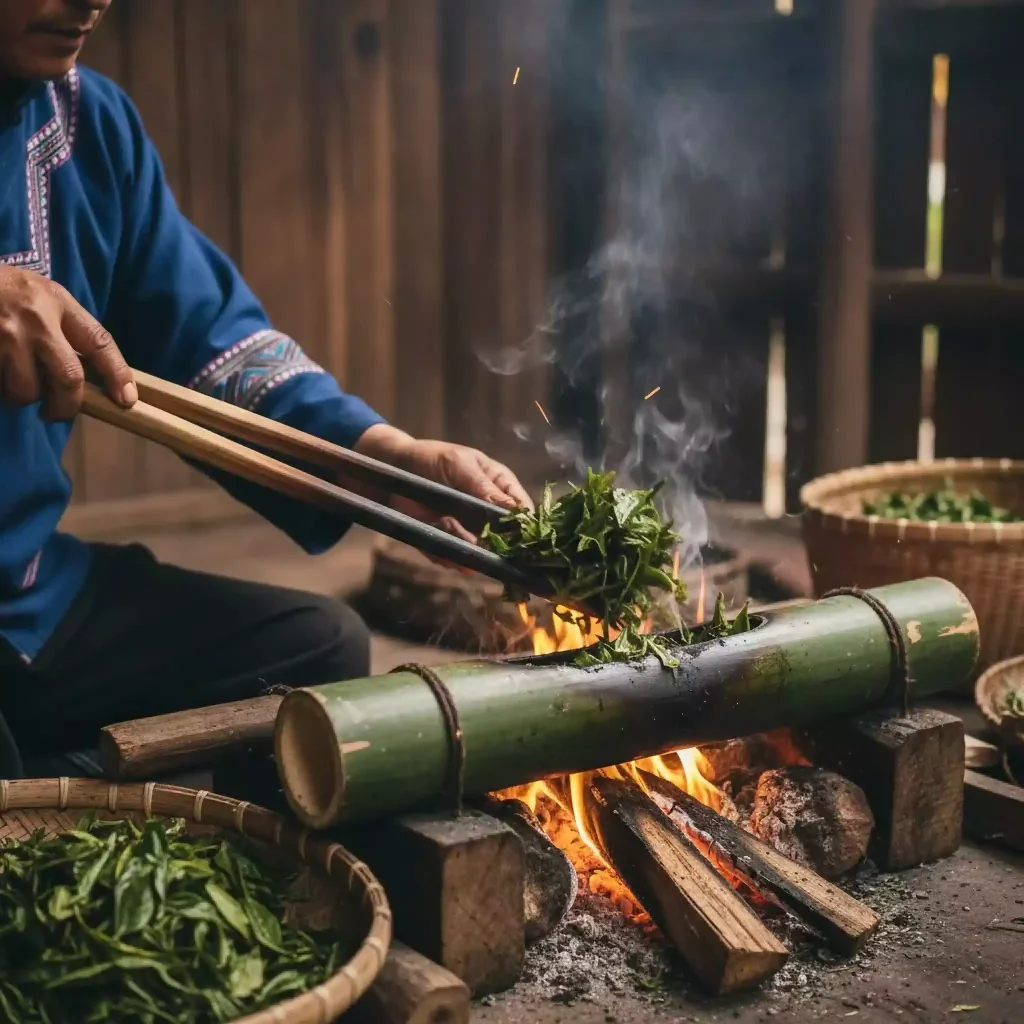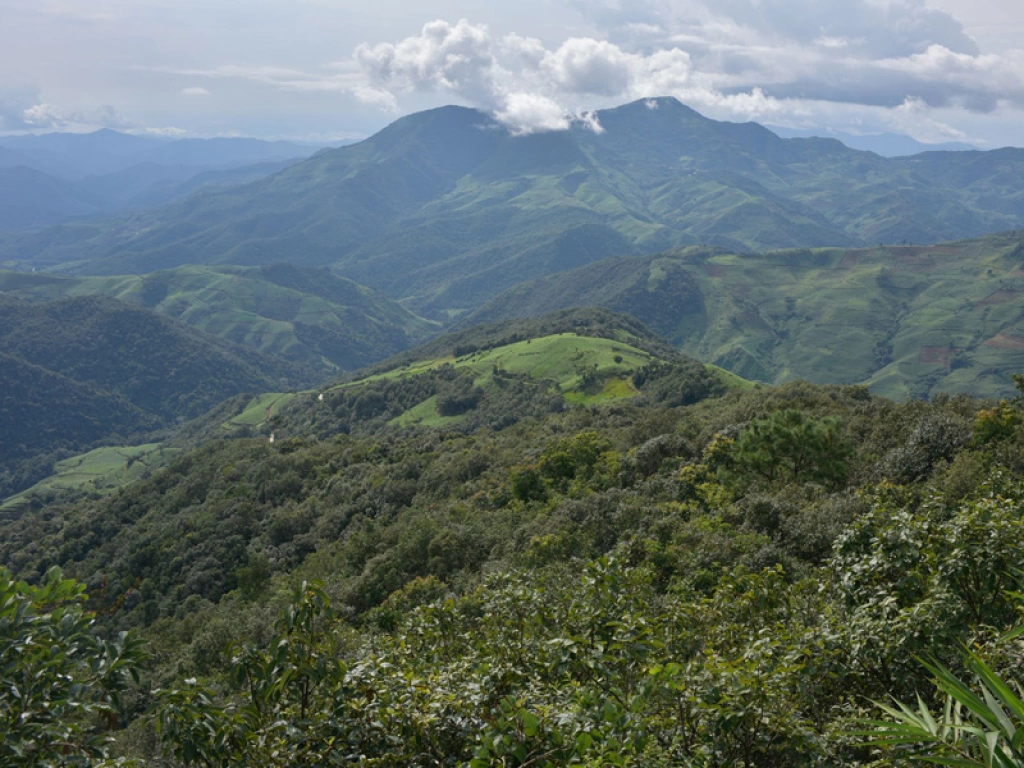
The Legacy of Pu-erh Tea: From Ancient Trees to Modern Cups
From the misty mountains of Yunnan to the cup in your hands, Pu-erh tea carries more than flavor—it carries centuries of history, the wisdom of ancient forests, and the character of some of the world's most distinctive terroir. This isn't just a drink; it's a living tradition that bridges nature, culture, and time. Whether you're taking your first sip or refining your palate, this guide will take you on a journey through Pu-erh's rich heritage, the science behind its complexity, and what truly makes ancient tree tea a gift from the mountains.
Part I: Origins & History — Where Does Pu-erh Come From?
The Ancient Roots
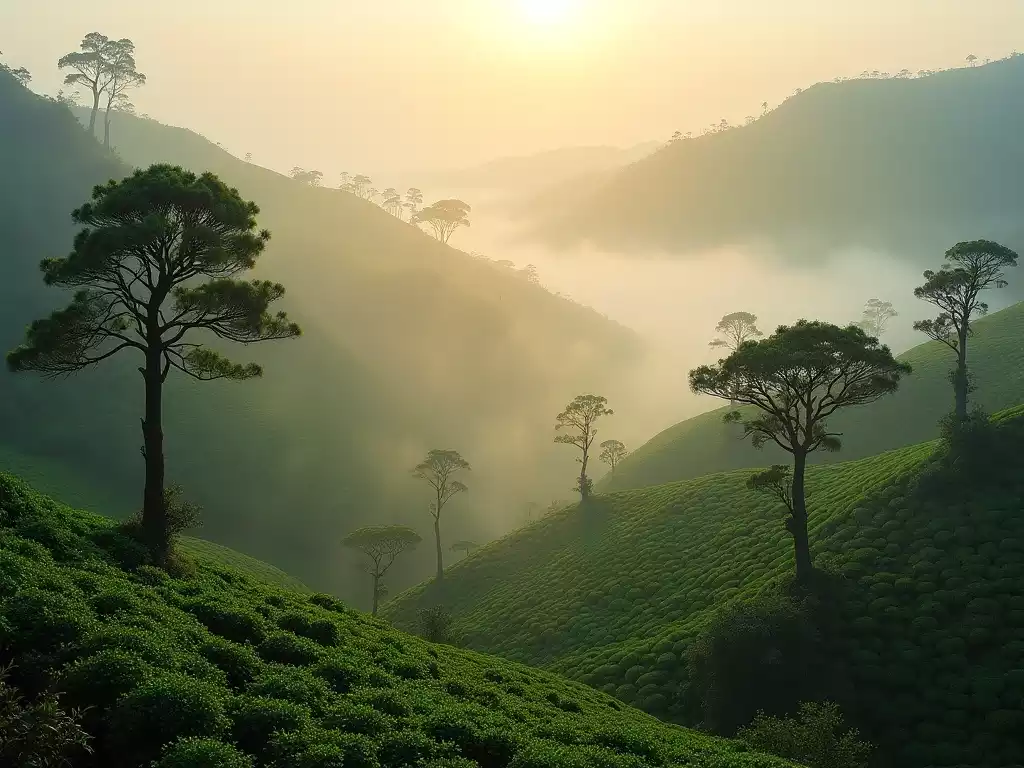
Pu-erh traces its story back to the Tang Dynasty (618–907 CE), and quite possibly even earlier. In Yunnan, southwest China, wild tea trees—some over a thousand years old—still thrive in the mountain forests. Local ethnic groups like the Bulang and Dai used these leaves for medicine and rituals long before written history captured their practices.
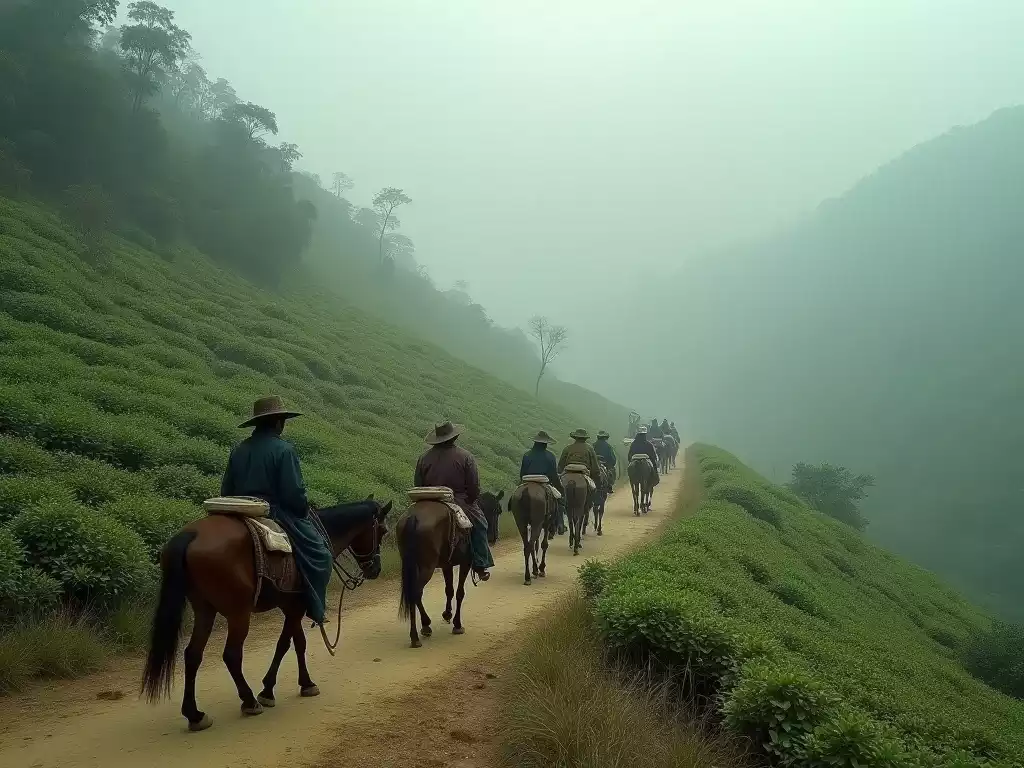
By the Tang era, teas from what is now Pu'er County were already being traded along the Ancient Tea Horse Road, a network of caravan paths connecting Yunnan to Tibet, India, and beyond. Later, during the Ming (1368–1644) and Qing (1644–1912) dynasties, Pu-erh became a highly valued commodity, gaining both its name and its reputation as a unique category of tea—one that could improve with age, travel well, and adapt to the humidity of distant lands.
The Rise of Major Tea Regions
As Pu-erh production expanded over centuries, different regions developed their own reputations, shaped by soil composition, altitude, and microclimate. Today, these areas are known as the major Pu-erh tea regions, each producing teas with signature flavor profiles.
The three most celebrated regions are:
- Xishuangbanna: Home to legendary mountains like Yiwu (floral and sweet), Laobanzhang (bold, mineral-rich, powerful), and Nannuo (fruity and balanced).
- Lincang: Famous for Bingdao (cool, icy sweetness with orchid notes) and Daxueshan (wild, herbal character).
- Pu'er/Simao: Known for Jingmai (delicate orchid aroma) and Kunlu (bright and brisk).
Other regions such as Baoshan, Dehong, Honghe, Dali, Nujiang, Wenshan, and Yuxi also contribute to the diversity of what's often called the "Ten Great Tea Regions of Pu-erh." Each brings something unique to the table—literally.
Raw vs. Ripe: Two Very Different Journeys
Pu-erh comes in two main styles: raw (sheng) and ripe (shu). Though they share the same leaves from Yunnan's Camellia sinensis var. assamica, their processing journeys couldn't be more different.
Raw Pu-erh (Sheng) is the traditional style. It starts with sun-dried green tea leaves that slowly ferment and transform with age. The flavor evolves year by year, influenced by storage conditions, humidity, temperature, and even seasonal weather patterns. A young Yiwu raw Pu-erh might taste floral, grassy, and vibrant, but after a decade it can reveal honey, dried fruit, and forest-like depth. Some collectors age their cakes for 20, 30, even 50 years. This ever-changing nature makes raw Pu-erh more akin to cellaring fine wine than drinking regular tea.
Ripe Pu-erh (Shu) was developed in the 1970s using the "wo dui" (wet-piling) fermentation process, which accelerates the aging in just a few weeks through controlled microbial activity. The result is a smooth, earthy tea with notes of wood, leather, mushroom, or dried fruit—comforting and ready to drink right away. While ripe Pu-erh doesn't evolve as dramatically as raw over decades, it offers reliable richness and a mellow character that many drinkers prefer for daily enjoyment.

Part II: The Power of Terroir — How Geography Shapes Flavor
What Is Terroir?
Terroir refers to the unique combination of geography, climate, soil, and cultural practices that influence the flavor of agricultural products. For tea, terroir plays a vital role in shaping the aromas and tastes of the final brew. Yunnan's terroir—its position near the Tropic of Cancer, its towering mountains, its monsoon cycles—creates conditions unlike anywhere else on Earth.
"Yunnan's geography isn't just a backdrop. It's the co-author of every cup of Pu-erh you drink."
Yunnan's Geographical Advantage
Yunnan's location in southwestern China, characterized by the rugged Yunnan-Guizhou Plateau, offers diverse microclimates within a relatively compact area. The region's topography, with valleys and mountains exceeding 3,000 meters in height, creates dramatic variations in weather and soil chemistry. This diversity has a direct impact on tea flavors.
Unlike the flat, humid plains of Assam in India, or the cooler hillsides of Darjeeling, Yunnan's varied geography produces teas that are bold, complex, and richly layered. Its proximity to the Himalayas brings monsoon rains and distinct dry seasons, creating natural stress cycles that encourage the tea plants to produce more aromatic compounds and protective polyphenols.
Historically, Yunnan's position along the Tea Horse Road helped embed tea deeply into its cultural fabric, creating a centuries-long relationship between the land, the people, and the leaf.
| Factor | Yunnan Pu-erh | Impact on Flavor |
|---|---|---|
| Ideal Altitude | 1,200m - 2,000m | Increased complexity, sweetness, reduced bitterness |
| Soil Type | Red & Volcanic, Mineral-Rich | Earthy, robust flavors; smooth texture |
| Climate Pattern | Monsoon Cycle | Natural stress increases aromatic compounds |
The Importance of Altitude
Altitude plays a critical role in the development of Yunnan teas. Many of the most prized tea gardens are located between 1,200 and 2,000 meters above sea level. At these elevations, cooler temperatures and enveloping mists slow tea plant growth, allowing the leaves to develop more concentrated flavors and aromas.
Higher altitudes cause slower leaf maturation, which means the plant has more time to accumulate amino acids (particularly L-theanine), polyphenols, and aromatic volatile compounds. The cooler nights and intense daytime UV radiation stress the plants just enough to boost their production of protective secondary metabolites—the very compounds that give tea its flavor, aroma, and health benefits.
Scientific Insight: Research published in Food Research International and Frontiers in Plant Science shows that high altitude inhibits the synthesis of bitter catechins while boosting free amino acids and floral/fruity aroma compounds. The result? Teas that are naturally sweeter, smoother, and more complex.
High-altitude environments also receive intense sunlight, often tempered by mists and clouds, which improves the sweetness and umami of the tea. In regions like Menghai, where elevations often exceed 1,400 meters, these characteristics give Pu-erh teas their distinctive profiles—crisp, vegetal aromas with hints of wildflowers and honey that evolve into woody depth with age.
Ecology and Soil Diversity
Yunnan is one of the most biodiverse regions in the world, supporting a range of ecosystems from subtropical rainforests to temperate highlands. This ecological richness creates a unique microbial environment in the soil—essential for teas like Pu-erh that undergo fermentation.
The soils in Yunnan vary dramatically: from iron-rich red soils to loamy volcanic soils. These minerals directly shape the tea's profile, contributing to earthy, robust flavors in some areas and smooth, velvety textures in others. The surrounding forests regulate humidity, support pollinators, and create a balanced ecosystem where tea trees can thrive without synthetic pesticides or fertilizers.
Tea trees absorb compounds from their environment—minerals from the soil, aromatic molecules from nearby plants, even microbial metabolites from the forest floor. This is why a Pu-erh from Jingmai, grown among camphor and orchid trees, has a distinctly floral, cooling aroma, while a tea from Laobanzhang, rooted in mineral-rich, rocky soil, delivers bold, almost aggressive power.
Cultural Reverence for Tea Trees
Yunnan's tea culture is deeply rooted in respect for nature. Many local ethnic groups, such as the Dai and Bulang, revere ancient tea trees, considering them sacred "tea ancestors" that embody cultural heritage. These trees are cared for with reverence, protected from deforestation, and left to grow naturally without human interference.
Traditional farming practices, such as intercropping tea trees with other native plants, help maintain ecological balance and soil health. Local communities ensure the protection of tea-growing regions by avoiding industrialization and chemical inputs. This commitment to environmental stewardship ensures that the tea trees grow in a pristine, natural environment—one that enhances the purity and quality of the tea.
Part III: Ancient Trees vs. Terrace Tea — What's Really in Your Cup?
Pu-erh Tea Is Not All the Same
When people think of Pu-erh, the first thing that comes to mind is often "the older, the better." But in truth, the soul of Pu-erh lies deeper—in the origin of the leaves themselves: terrace tea versus ancient tree tea.
This distinction is fundamental. It affects not just the flavor, but the energy, the complexity, and the entire experience of drinking Pu-erh. Let's break down what makes them different—and why true ancient tree tea is considered a gift from nature.
What Is Terrace Tea?
Terrace tea (also known as plantation tea or taidi cha) comes from modern, high-density tea farms. These tea bushes are regularly trimmed to waist or chest height, harvested mechanically or by hand for efficiency, and often grown using fertilizers or pesticides to maximize output and minimize pest risks.
Terrace tea is widely available and plays an important role in commercial Pu-erh production, especially in blended teas. It's affordable, consistent, and produces a clean, straightforward taste. However, it lacks the depth and complexity of its ancient tree counterpart.
Characteristics of Terrace Tea:
- High planting density with fast, frequent harvesting
- Clean, straightforward taste with consistency across batches
- Ideal for mass production and blending purposes
- Sharp, high-pitched aroma that's intense but typically one-dimensional
- Shines in the early steeps but tends to flatten out quickly
What Is Ancient Tree Tea?
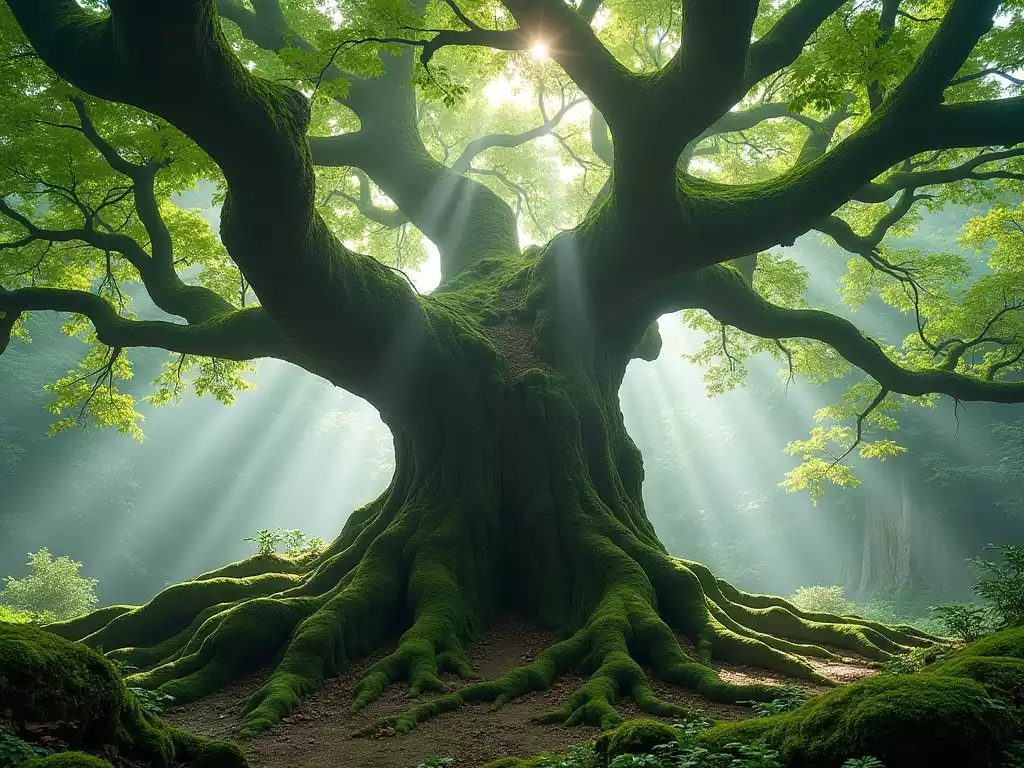
Ancient tree tea (gushu cha, 古树茶) refers to tea leaves picked from wild or semi-wild trees typically over 100 years old—and in some cases, over 1,000 years old. These trees are found in remote forests in Yunnan and grow without fertilizers, pesticides, or pruning.
A common misconception: Some believe ancient tree tea can be managed like terrace tea. But in reality, Gushu cannot be fertilized or sprayed; its unique flavor and aroma rely solely on its natural ecosystem. Any human interference disrupts the delicate balance that makes these teas so special.
Characteristics of Ancient Tree Tea:
- High-altitude environments with large day-night temperature differences
- Deep root systems (often 5+ meters) embedded in old forest soil
- Self-sustained growth without human interference
- Layered, forest-like aroma and a rounded, silky texture that evolves in the cup
- Not just tea—it's a sensory experience shaped by mountains and time
Gushu offers a more complex, multidimensional profile. Each mountain has its own signature: Yiwu is soft and sweet, Banzhang is bold and powerful with lingering bitterness that transforms into sweetness (hui gan), and Bingdao has a distinctive icy-cool orchid fragrance. These aromas are not just "loud"—they're profound, unfolding gently with each steep, best enjoyed slowly with attention to the aftertaste and transformation.
Tasting Differences: A Sip Tells All
The flavor profiles of terrace and ancient tree teas are unmistakably distinct:
Terrace Tea: Offers a sharp, high-pitched aroma that's intense but typically one-dimensional. It provides an immediate "scent hit" but lacks lingering depth or energy. Often used as a base for blended teas, it can provide upfront brightness but tends to fade after 3-4 infusions.
Ancient Tree Tea: Rich and smooth with a full-bodied mouthfeel and thick, almost oily texture. The aromas unfold slowly—what starts as fresh grass and citrus in a young raw Pu-erh can shift to honey, stone fruit, caBy the Tang floor over multiple infusions. The tea carries cha qi (茶气), a kind of vital energy that you feel as much as taste—a warming sensation, mental clarity, or deep relaxation.
"Terrace tea is for a quick aroma hit. Ancient tree tea offers soul in the soup."
| Aspect | Terrace Tea | Ancient Tree Tea |
|---|---|---|
| Aroma | Sharp, high-pitched, one-dimensional | Layered, complex, forest-like |
| Mouthfeel | Light to medium body | Full-bodied, silky, thick texture |
| Longevity | 3-5 infusions | 10-15+ infusions |
| Cha Qi (Energy) | Minimal | Strong, noticeable |
| Aging Potential | Limited transformation | Evolves dramatically over decades |
Price & Market Awareness
Because of their age, limited yield, and harvesting difficulty (often requiring climbing tall trees in remote forests), Gushu teas command significantly higher prices than terrace tea. A single 357g cake of authentic ancient tree raw Pu-erh from a famous mountain can cost hundreds or even thousands of dollars.
However, the term "ancient tree" is often misused in the market. Many teas labeled as Gushu are actually blends containing mostly terrace tea with a small percentage of older tree material—or worse, purely terrace tea marketed deceptively.
Tips for making sure you're getting the real deal:
- Know the region, harvest time, and dry leaf appearance (ancient tree leaves are usually larger, more varied in size)
- Assess the strength and endurance of the tea soup—real Gushu should last 10+ infusions with evolving flavors
- Choose brands that offer traceability and transparent sourcing (farm visits, certifications, direct relationships with tea farmers)
- If the price seems too good to be true for "ancient tree," it probably is
Part IV: Tasting Like a Pro — How to Brew and Appreciate Pu-erh
Brewing High-Mountain Pu-erh: The Basics
To truly appreciate high-mountain ancient tree Pu-erh, brewing technique matters. Here's how to get the most out of your leaves:
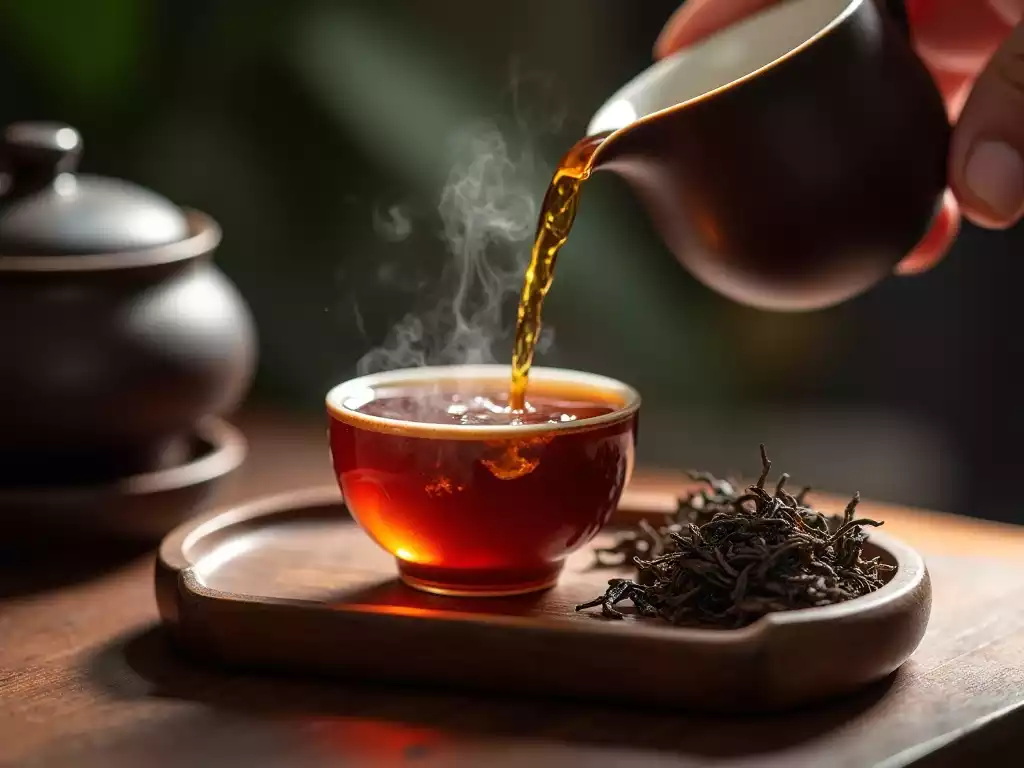
Water Temperature: Use water at 90–100°C (194–212°F) for raw Pu-erh. Ripe Pu-erh can handle boiling water. Lower temperatures (85–90°C) work well for very delicate, high-altitude raw teas to preserve floral notes and prevent bitterness.
Multiple Short Infusions: Instead of one long steep, try the gongfu brewing method with many short infusions. Start with 10–15 seconds for raw Pu-erh, 20–30 seconds for ripe Pu-erh, and gradually increase with each subsequent brew. This allows you to experience how the tea evolves—floral notes in early steeps, fruity sweetness in the middle, and woody depth toward the end.
Engage Your Senses: Inhale the aroma deeply before sipping. Notice the wet leaf fragrance in your gaiwan or teapot. Pay attention to the silky, smooth mouthfeel—a gift of slow-grown, dense leaves. Let the tea sit on your tongue and observe the hui gan (returning sweetness) that emerges seconds after swallowing.
Training Your Palate
Tasting Pu-erh, especially ancient tree tea, is a skill that develops over time. Here are some tips to refine your palate:
- Compare side-by-side: Brew a terrace tea and an ancient tree tea from the same region at the same time. Notice the differences in aroma intensity, mouthfeel, and longevity.
- Keep a tasting journal: Write down your impressions—aroma, flavor, texture, aftertaste, energy. Over time, you'll develop a vocabulary and memory for different tea profiles.
- Taste with intention: Don't rush. Pu-erh rewards slow, mindful drinking. Notice how the tea changes from infusion to infusion, from the tip of your tongue to the back of your throat.
- Learn the regions: Familiarize yourself with the signature profiles of major mountains—Yiwu's elegance, Banzhang's power, Bingdao's icy sweetness. This helps you recognize quality and authenticity.
Storage and Aging
If you're interested in aging raw Pu-erh at home, proper storage is essential:
- Keep it in a breathable, odor-free, dry place—like a clay jar, cardboard box, or dedicated tea cabinet
- Avoid plastic bags or airtight containers (the tea needs to "breathe")
- Maintain moderate humidity (50-70%) and stable temperature (avoid extreme heat or cold)
- Keep away from strong odors (spices, perfumes) as tea absorbs smells easily
- Check on your tea periodically and rotate cakes if stacking them
With proper care, raw Pu-erh can age beautifully for decades, transforming from bright and vegetal to rich, sweet, and deeply complex.
Conclusion: A Sip of Legacy
In a world of fast trends and instant gratification, Pu-erh tea is slow, patient, and timeless. Each cup connects you to ancient forests, skilled hands, centuries of culture, and a philosophy that values harmony with nature over domination of it.
From understanding the origins along the Tea Horse Road, to recognizing how altitude and terroir shape flavor, to distinguishing ancient tree from terrace tea, you now have the knowledge to approach Pu-erh with deeper appreciation. Whether you prefer the crisp brightness of terrace tea or the soulful complexity of ancient tree brews, every authentic cup of Pu-erh connects you to soil, altitude, and culture.
"True ancient tree tea needs no fertilizer or pesticide. All it asks for is forest, time, and a quiet conversation."
With every sip, you're not just drinking tea—you're tasting history, inhaling the spirit of Yunnan, and participating in a tradition that spans millennia.
Next time you brew a cup, ask yourself: Did this leaf come from a farm—or a forest? The answer will be in the taste.
Frequently Asked Questions
What makes Pu-erh tea different from other Chinese teas?
Pu-erh is unique because it undergoes microbial fermentation and aging, giving it deep, earthy flavors that evolve over time—like wine, it can get better with age. Unlike green or oolong teas, which are best consumed fresh, Pu-erh (especially raw) improves and transforms over years or even decades.
Is Pu-erh tea good for digestion?
Yes. Many people enjoy Pu-erh after meals because its fermentation supports digestion and reduces bloating. The probiotics and enzymes in ripe Pu-erh, in particular, have made it popular in China as a "tea for the stomach."
What's the difference between raw (sheng) and ripe (shu) Pu-erh?
Raw Pu-erh starts fresh and grassy but matures into sweet, complex flavors with age over years or decades. Ripe Pu-erh is fermented quickly through wet-piling, producing smooth, earthy notes ready to enjoy right away. Raw evolves dramatically; ripe is consistent and comforting.
Why do people value ancient tree Pu-erh so highly?
Ancient tree Pu-erh (gushu) comes from centuries-old trees with deep roots, producing teas known for layered flavors, strong energy (cha qi), historical significance, and incredible aging potential. These trees grow in pristine forest environments without fertilizers or pesticides, creating complexity that terrace tea cannot match.
How should I store Pu-erh tea at home?
Keep it in a breathable, odor-free, dry place—like a clay jar or cardboard box—so it can age naturally without losing character. Avoid plastic bags or airtight containers. Maintain moderate humidity (50-70%) and stable temperature. Check periodically and keep away from strong odors.
What defines a "high-mountain" tea?
Generally, teas grown above 1,000–1,200 meters in misty, cool mountain environments are considered high-mountain teas. The slower growth and intense natural conditions produce more complex aromas and flavors compared to lowland teas. In Yunnan, the sweet spot is often 1,400–2,000 meters.
Are high-mountain Sheng Pu-erh teas less bitter than lowland ones?
Yes, typically. High altitude reduces the synthesis of bitter catechins while increasing amino acids (especially L-theanine), resulting in a naturally sweeter, smoother profile with prominent hui gan (sweet aftertaste) and less astringency.
How can I tell if my "ancient tree" Pu-erh is authentic?
Look for: larger, more varied leaf sizes; tea that lasts 10+ infusions with evolving complexity; strong cha qi (energy); transparent sourcing from reputable vendors; and realistic pricing (real gushu is expensive). Compare side-by-side with terrace tea to train your palate.
Does soil type really change the taste of my cup?
Absolutely. Mineral-rich red soil produces bolder, earthier profiles, while volcanic loam creates smoother textures. Tea roots absorb trace minerals and microbial compounds from their environment, directly influencing flavor—this is why teas from different mountains taste distinctly different even when processed identically.
Can I taste terroir in blended teas?
Yes, but it's diluted. Blends are designed for consistency and often use terrace tea as a base. Single-origin, single-mountain ancient tree teas are the best way to experience pure terroir. Look for teas labeled with specific mountain names (e.g., "Yiwu Gushu" or "Laobanzhang Ancient Tree").
🌿 Continue Your Tea Journey
🌿 Ancient Trees to Modern Cups: The Legacy of Pu-erh Tea
Explore the rich heritage of Pu-erh tea, from ancient tree forests in Yunnan to the modern teacup. This video, part of our Tea Science Series: Unraveling Tea Mysteries from Beginner to Expert, unveils the history, production, and enduring culture behind every sip.