
Tea and Time: How Different Cultures Brew Patience
From the serene gongfu tea tables of Yunnan to the cozy parlors of London, the glowing samovars of Russia, and the bustling chai stalls of India—each cup weaves a tale of patience and timeless connection.
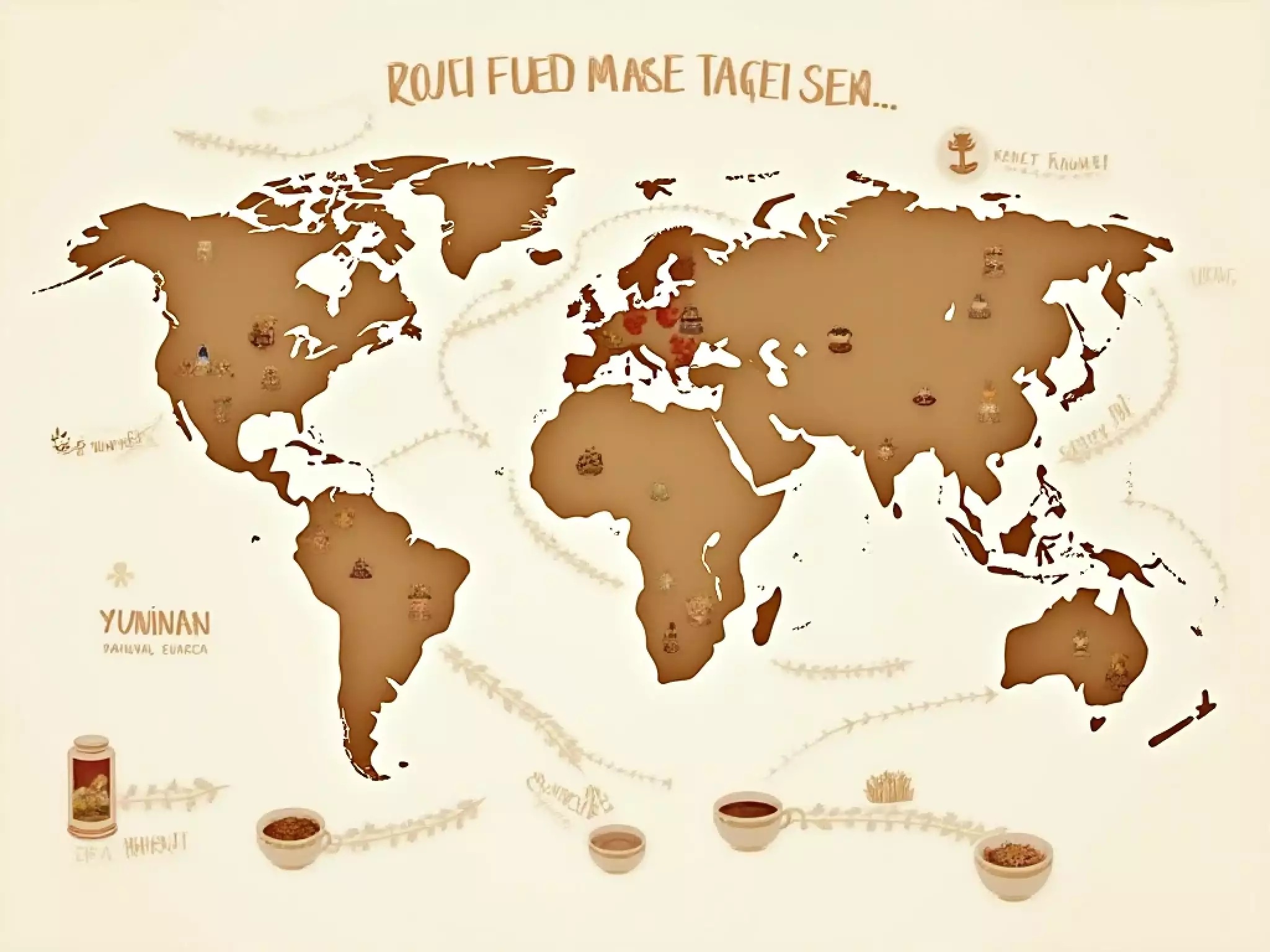
Tea transcends borders, uniting cultures through a shared rhythm of patience. The act of brewing—waiting for water to heat, leaves to steep, or cups to be shared—teaches us to slow down. Whether it’s the meticulous art of gongfu cha, the comforting ritual of British afternoon tea, the enduring warmth of a Russian samovar, or the lively dance of Indian chai, tea becomes a timeless clock. Each sip measures human presence, not just minutes, fostering connection and calm.
China: Gongfu Cha — Crafting Skill Through Time
In southern China, “gongfu” (工夫) blends “skill” with “time,” a philosophy embodied in the gaiwan tea ritual. This practice demands focus—warming the vessel, rinsing leaves, and pouring with precise timing across multiple infusions. Each brew lasts seconds, yet the process unfolds into a meditative flow, revealing tea’s layered soul.
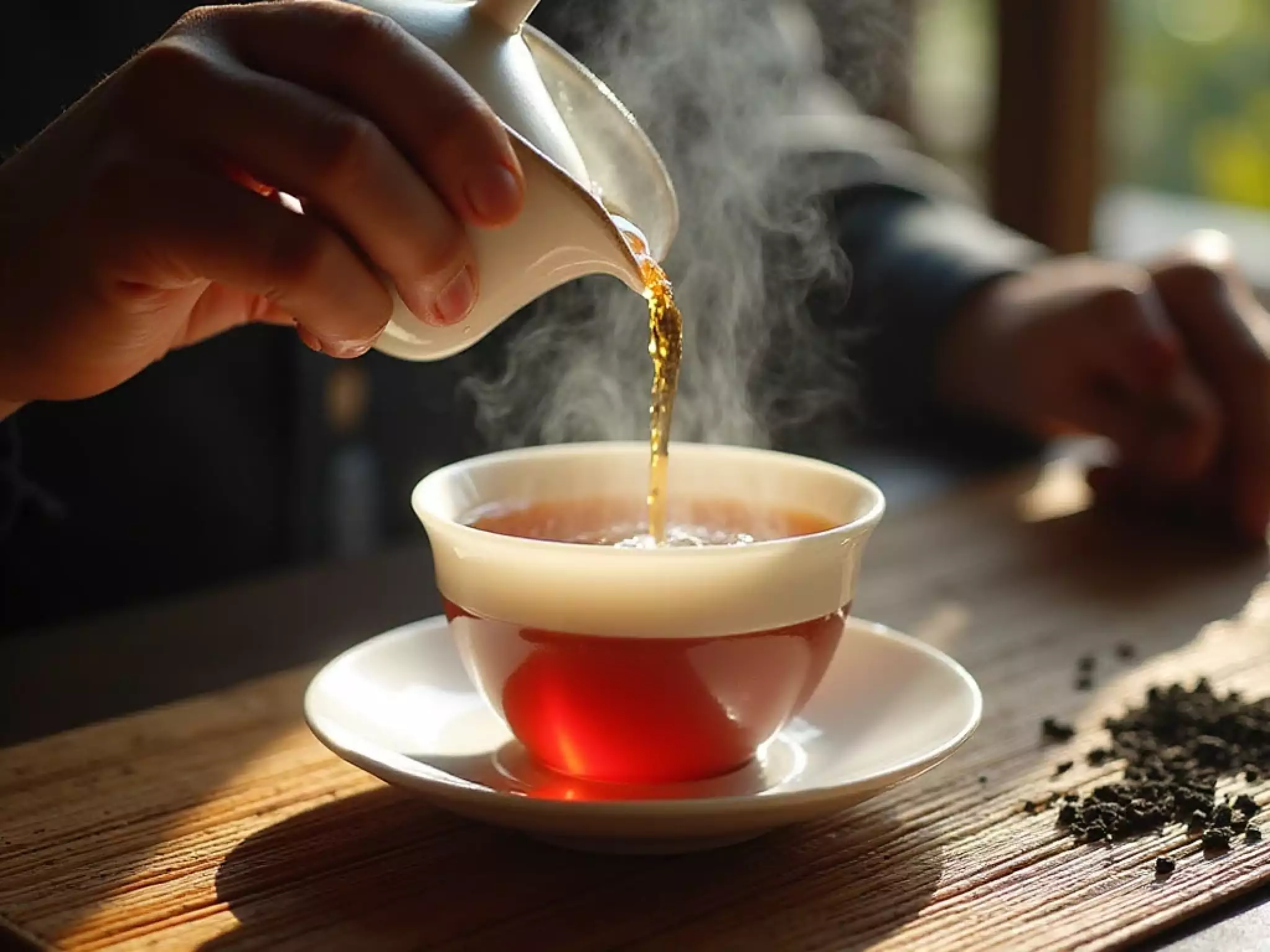
Yunnan’s sun-dried black teas shine here. Short infusions unlock caramel and honey notes, evolving into wood and fruit with each pour. Patience deepens the experience, unveiling the tea’s essence and connecting us to nature’s rhythm.
Britain: The Teapot — A Pause for Togetherness
In Britain, afternoon tea transformed daily life into a moment of peace. Around four o’clock, the teapot signals a break, filled with robust Assam or Ceylon blends. Unlike gongfu’s precision, this ritual embraces warmth—large pots, milk, sugar, and shared conversation create a cozy pause.
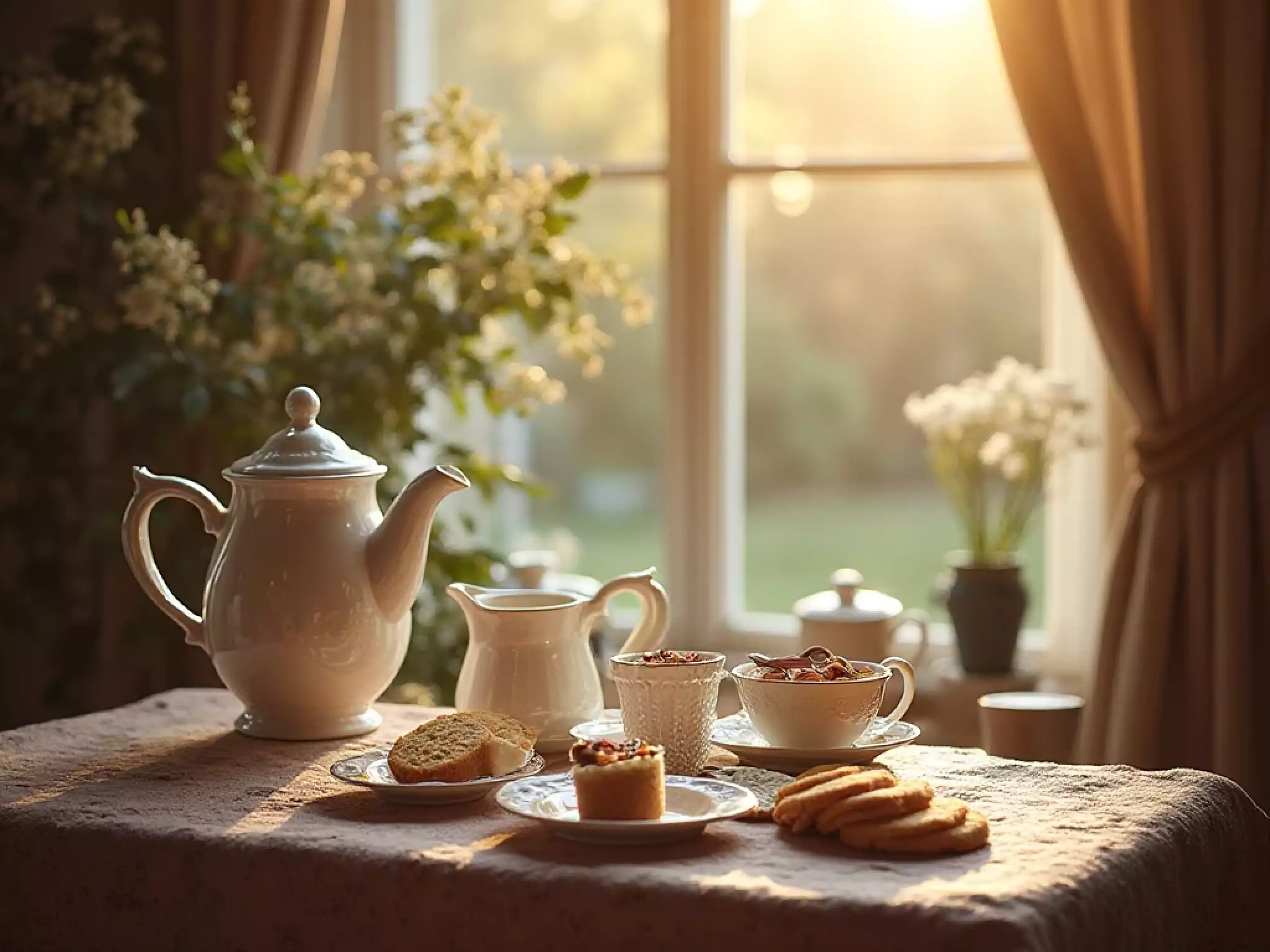
This tradition turns waiting into an act of hospitality. While gongfu focuses inward, the teapot extends patience outward, strengthening bonds over every carefully poured cup.
Russia: The Samovar — A Hearth of Endurance
Russia’s tea culture thrives on resilience, centered around the samovar. This metal urn, fueled by coal or wood, keeps tea and water warm, serving as a household heart. Families gather, diluting strong tea concentrate with hot water, sharing stories through long winter nights.
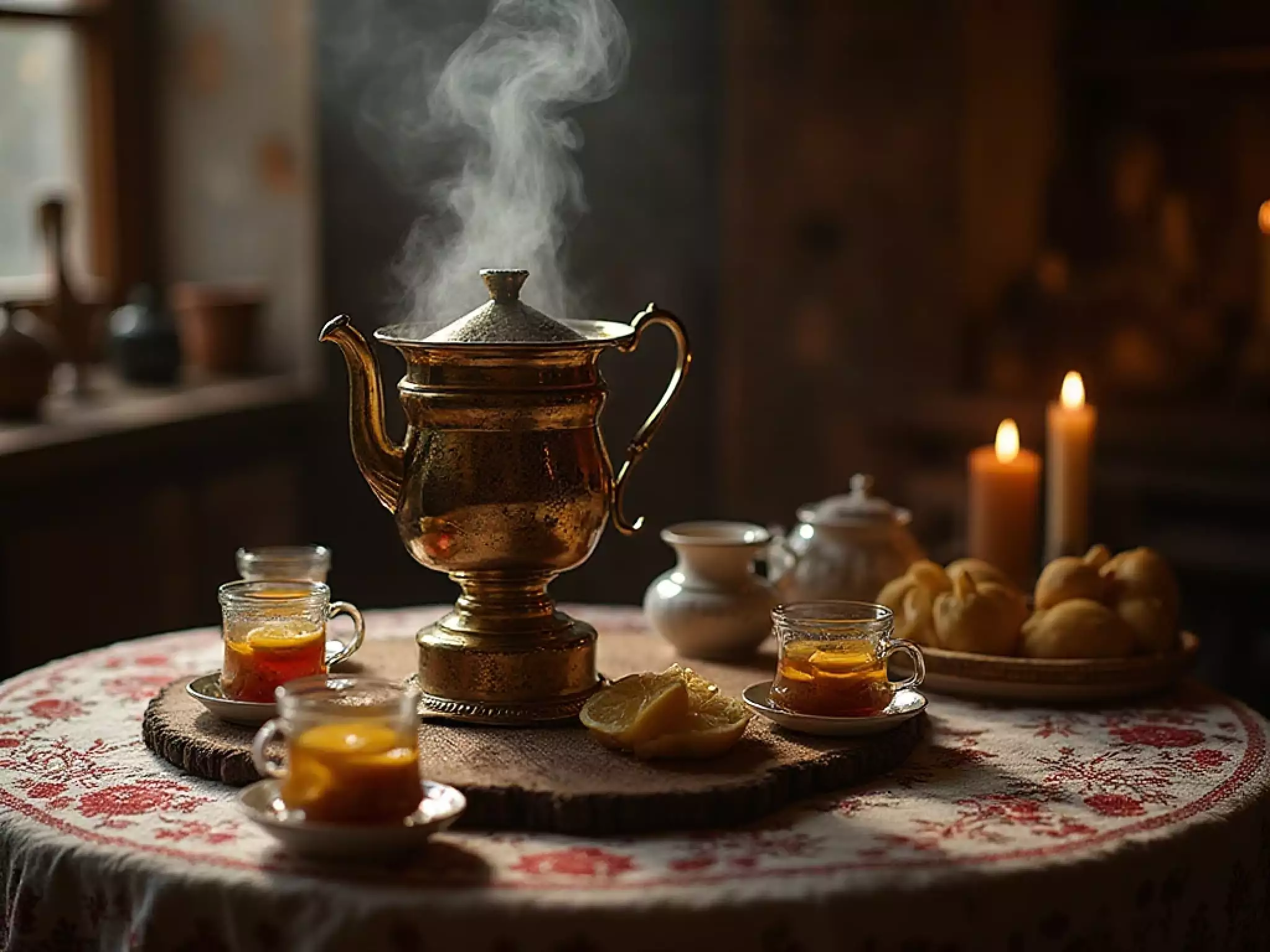
Time here flows like the samovar’s fire—steady and communal. Tea becomes more than a drink; it’s a symbol of enduring togetherness and unhurried joy.
India: Chai — Patience in the Pulse of Life
Indian chai blends movement with mindfulness. On bustling streets, chaiwalas boil black tea with milk, sugar, and spices—cardamom, ginger, cloves—pouring it between pots to enhance flavor. Timing relies on instinct, not clocks, creating a rhythmic dance of patience.
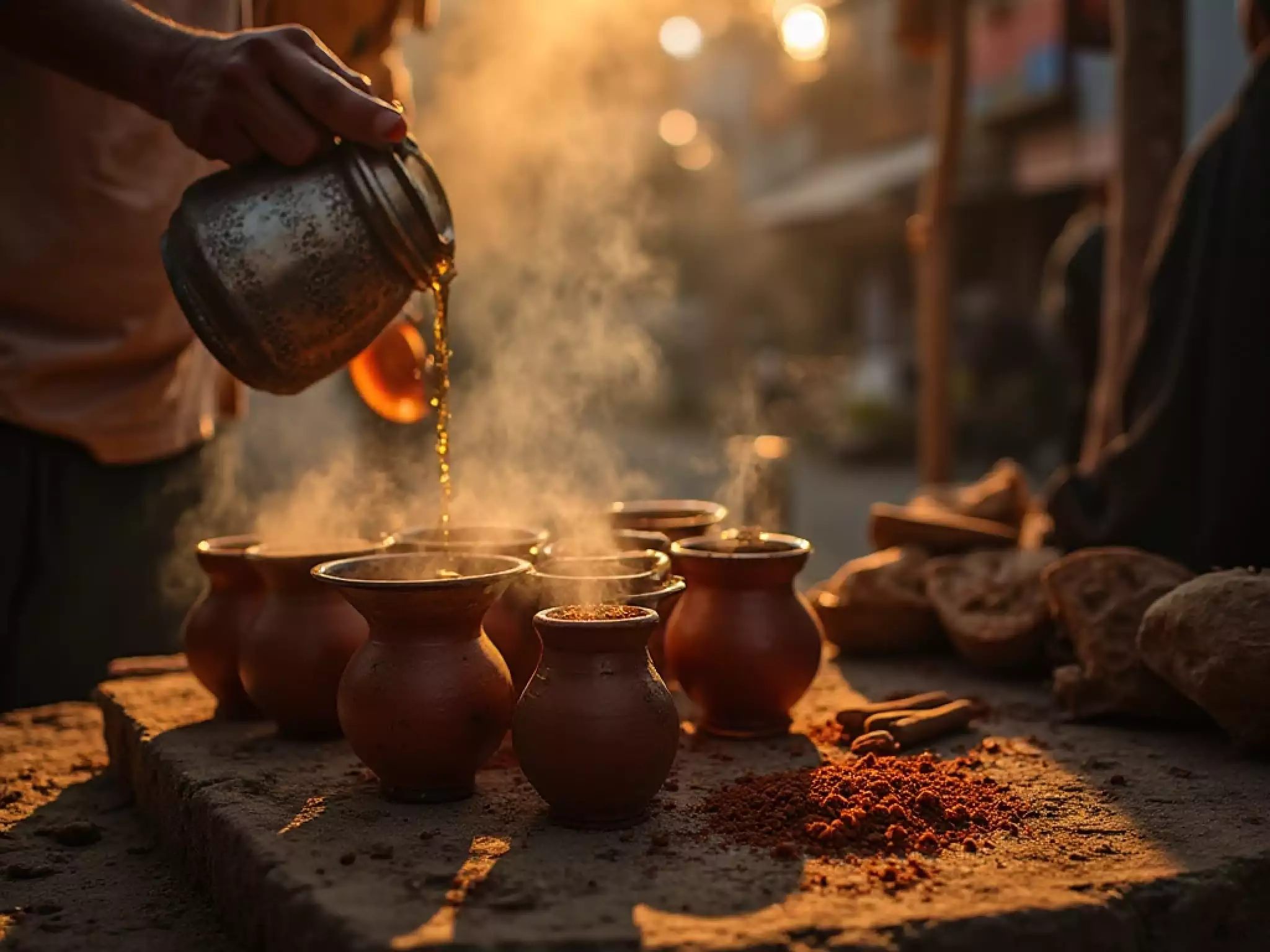
This process fosters a shared energy. The chaiwala’s craft turns waiting into a warm exchange, linking millions through each aromatic cup.
A Universal Thread of Time
Across cultures, tea rituals transform time into a meaningful bond. The fleeting infusions of gongfu, the quiet pause of British tea, the enduring warmth of the samovar, and the lively rhythm of chai all teach patience. Each cup steeps not just leaves, but moments of connection and reflection.
Frequently Asked Questions
Further Reading
Shai Hong Milk Tea: 3 Recipes & Why Yunnan’s Sun-Dried Tea Shines
Watch: A meditative journey through global tea rituals—from Yunnan’s gongfu cha to India’s chai, Russia’s samovar, and Britain’s afternoon tea.

