
Best Teas for Energy: Black, Green, or Pu-erh?
Need a natural pick-me-up to power through your day? Tea offers a balanced, sustained energy boost without the jitters of coffee, thanks to its unique blend of caffeine and L-theanine. Among the many options, raw Pu-erh, especially from ancient trees, stands out for its potent, invigorating cha qi (tea energy). In this guide, we compare black tea, green tea, and Pu-erh tea to help you find the best tea for energy, with brewing tips and insights to maximize your boost.
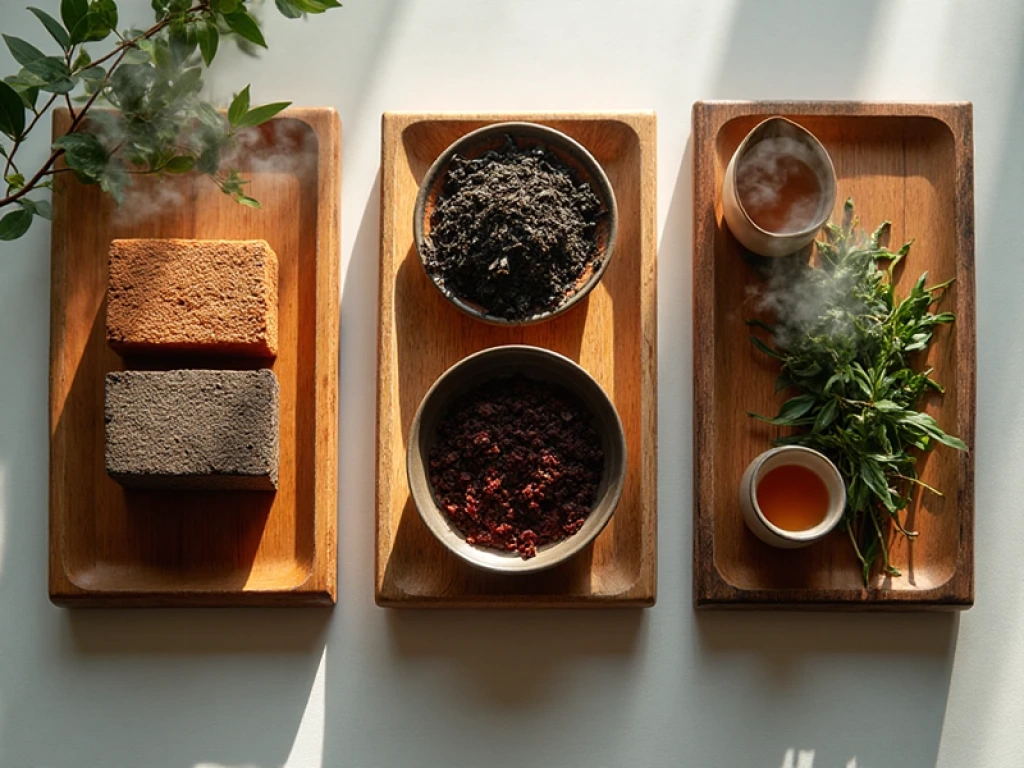
Why Tea Boosts Energy
Tea’s energy-enhancing effects come from caffeine, which stimulates the central nervous system, and L-theanine, which promotes calm focus. Unlike coffee’s sharp spike and crash, tea delivers a smoother, longer-lasting lift. The caffeine content varies by type, but preparation and tea quality also play a role. Below, we explore three top teas for energy, with a focus on raw Pu-erh’s unique vitality.
Raw Pu-erh: The Ultimate Energizer
Type: Fermented Tea
Origin: Yunnan, China
Why It Helps: Raw (Sheng) Pu-erh, especially from ancient trees, is renowned for its powerful cha qi—a vibrant, almost spiritual energy. With 30-70 mg of caffeine per cup, it rivals coffee’s kick but feels smoother due to L-theanine. Ancient tree Pu-erh amplifies this effect with rich polyphenols.
Science Says: A 2017 study in Food Chemistry (DOI: 10.1016/j.foodchem.2016.08.060) found raw Pu-erh enhances alertness and focus without overstimulation.
Taste & Prep: Bright, grassy, floral or fruity. Brew at 95-100°C(203-212℉) for 2-3 minutes using a Gaiwan. Ancient tree varieties like Menghai offer deeper flavor.
Best For: Morning boosts or mid-afternoon slumps.
Tip: Try Gongfu brewing for multiple infusions. Learn more in How to Taste Sheng Pu-erh.
Black Tea: The Bold Morning Kick
Type: Black Tea
Origin: China, India, Sri Lanka
Why It Helps: Black tea, like Assam or Dian Hong, packs 40-70 mg of caffeine, making it robust for morning energy.
Science Says: A 2018 study in Journal of Psychopharmacology (DOI: 10.1177/0269881117722991) confirmed black tea improves cognitive performance and alertness within 30 minutes.
Taste & Prep: Rich, malty, or sweet. Brew at 95-100°C(203-212℉) for 3-4 minutes. Use Yixing teapot or loose leaf.
Best For: Coffee drinkers transitioning to tea.
Tip: Add milk for a creamy boost, as in English Breakfast tea.
Green Tea: The Clear, Focused Energy
Type: Green Tea
Origin: China, Japan
Why It Helps: Green tea, like Longjing, contains 20-45 mg of caffeine and high levels of EGCG and L-theanine, promoting clarity and focus.
Science Says: A 2020 study in Nutrients (DOI: 10.3390/nu12010183) found green tea enhances fat oxidation and cognitive clarity.
Taste & Prep: Fresh, grassy, vegetal. Steep at 80-85°C(176-185℉) for 1-2 minutes. See Choosing the Right Teaware.
Best For: Mid-morning or creative tasks.
Tip: Try with a light snack. Explore more in Top 10 Chinese Teas.
Comparing Teas for Energy
| Tea Type | Caffeine (per cup) | Energy Effect | Taste | Best Time |
|---|---|---|---|---|
| Raw Pu-erh | 30-70 mg | Vibrant, sustained cha qi | Grassy, astringent | Morning/afternoon |
| Black Tea | 40-70 mg | Bold, immediate kick | Malty, sweet | Early morning |
| Green Tea | 20-45 mg | Clear, focused energy | Fresh, vegetal | Mid-morning |
Pro Tip: Raw Pu-erh’s cha qi makes it uniquely energizing. For mindful boosts, see How to Drink Tea Like a Master.
How to Incorporate These Teas for Energy
- Morning Kickstart: Raw Pu-erh or black tea for a powerful wake-up.
- Mid-Day Boost: Green tea for focused productivity or raw Pu-erh for vibrant lift.
- Brewing Tips: Use correct water temps and loose leaf.
- Avoid Evening: High-caffeine teas may disrupt sleep. Try Best Teas for Relaxation and Sleep.
- Author’s Note: As the author, I advise moderating tea intake, especially in the evening, to avoid sleep disruption. Keep consumption to around 300ml per serving to balance hydration and rest.
Potential Side Effects
- Caffeine Sensitivity: Limit to 2-3 cups daily.
- Overbrewing: Raw Pu-erh can get bitter if steeped too long.
- Quality Matters: Choose high-quality teas like Menghai Pu-erh.

FAQs
Why is raw Pu-erh so energizing?
Its cha qi, caffeine, and L-theanine create a sustained boost. See What is Cha Qi?.
Is raw Pu-erh better than coffee for energy?
Raw Pu-erh offers a smoother lift due to L-theanine. Compare in Raw Pu-erh vs. Coffee.
Which tea has the most caffeine?
Black tea and raw Pu-erh have higher caffeine than green tea. See Caffeine Ranking.
Sip Your Way to Vibrant Energy
Raw Pu-erh, especially from ancient trees, leads for its invigorating cha qi, offering a coffee-like boost with smoother delivery. Black tea delivers bold morning energy, while green tea provides clear focus. Start your day with raw Pu-erh or explore our Tea Tasting Series. Visit Tea Origins & Culture for more on tea’s energizing heritage.
What’s your go-to tea for energy? Share in the comments or dive into our Tea Library for more tips!